
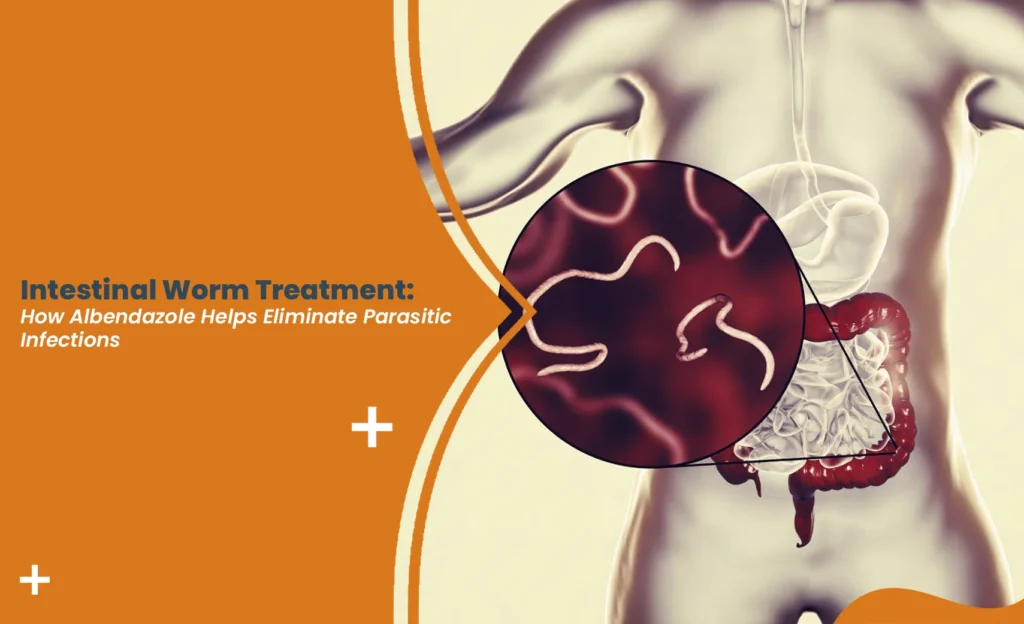
Intestinal worms are an easy assumption of the past. They are not. Soil-transmitted helminths (STHs) such as roundworm, whipworm, and hookworm still infect a staggering share of humanity. Recent modeling of the Global Burden of Disease estimates that 1.5 billion people globally are infected with STHs, predominantly in the tropical and subtropical areas, and in 2021 alone, 642.72 million cases and 1.38 million DALYs (disability-adjusted life years) were attributed to STHs. Other estimates tied to WHO put it even higher, saying that more than one billion people are now infected with STHs, making it the most common neglected tropical disease category on the planet.
It is the children who bear this burden. Data show a higher prevalence in the 5-19 age group, especially in children aged 5-9, with an age-standardised prevalence rate of more than 16,000 per 100,000 population. Untreated, the infection can lead to anemia, malnutrition, stunted growth, and impaired cognitive development. Aldol 400mg and other deworming drugs are an important component of the public health approach to intestinal worm treatment. The global age-standardized prevalence rate of STH infections has been declining at an estimated global annual rate of about 4%, mainly due to the mass drug administration (MDA) programmes with benzimidazole drugs such as albendazole for intestinal worm treatment.
What are intestinal worms and how do they spread?
The main groups of parasites causing most intestinal worm infections are:
- Ascaris lumbricoides (roundworm) is the most common, often causing abdominal pain and malnutrition
- Trichuris trichiura (whipworm) is associated with chronic diarrhea and rectal prolapse in heavy infections.
- Hookworms (Necator americanus / Ancylostoma duodenale) are the leading parasitic cause of iron-deficiency anemia worldwide.
The transmission is usually through contaminated soil, unwashed hands, or improperly cooked foods. That is why worm infections are common in places with poor sanitation infrastructure and why they disproportionately affect school-aged children who play outside and are still developing good hygiene habits.
Introducing the Frontline Defender: Albendazole Tablets
Albendazole is a benzimidazole class anthelmintic drug. It works by blocking glucose absorption in the worms, effectively starving the parasite of energy until it dies and is naturally expelled from the body. Albendazole tablets are effective against a wide variety of intestinal worms treatment, and that is why it is the WHO’s preferred drug for mass deworming campaigns.
The recommended single tablet dose of Aldol 400 Mg for adults and children over two years of age, as per most national deworming guidelines, contains this active ingredient, making it a convenient and readily available option for worm infection treatment in the clinical setting as well as in community MDA drives.
How Effective Is Albendazole Really as Intestinal Worm Treatment?
That’s where the science gets interesting and nuanced. Albendazole for worms does not work equally well against all parasites.
Roundworm (Ascaris) is where albendazole shines brightest. Albendazole in a large systematic review and meta-analysis had an egg reduction rate of 95.54% and a cure rate of 91.3% for Ascaris lumbricoides. Other pooled analyses have cure rates as high as 95.7% with egg reduction rates of approximately 98.5%.
For hookworm, it is also strong, but somewhat more variable across studies. One meta-analysis reported a 93.44% egg reduction rate and 78.32% cure rate for hookworm, while another systematic review in Ethiopia found a pooled hookworm efficacy of 92.2%. A large cohort study in China also reported that single-dose albendazole resulted in a 63.1% cure after the first round, and this increased to 92.2% after a second round of treatment.
This is albendazole’s kryptonite against whipworm (Trichuris). Cure rates here are consistently lower, ranging from 50.8% to as low as 38.6% in pooled studies, and in some field settings below 10% after a single dose. This is why combination therapy (albendazole plus ivermectin) is gaining ground, as a recent meta-analysis confirmed that albendazole monotherapy remains highly effective against Ascaris and hookworm, while the combination substantially improves outcomes specifically for whipworm.
Aldol 400 Mg is a great choice for worm infection treatment caused by the two most common global parasites, but Trichuris infections may need a follow-up plan with a doctor.
Global Deworming Programs: The Numbers Behind the Mission
The role of Albendazole for worms in public health is enormous. Recent research quoted global modelling data for disease that estimated approximately 900 million people worldwide are infected with soil-transmitted helminths, and that roundworm, whipworm, and hookworm infect 445 million, 360 million, and 173 million people, respectively. National deworming days, where kids line up at school to get a single albendazole tablet, are among the most cost-effective public health interventions ever rolled out, largely because the drug is cheap, safe, and no diagnostic testing is needed beforehand in endemic zones.
Albendazole Dosage: What Are the Recommendations?
Albendazole dosage depends on the parasite type, age of the patient, and severity of infection, and should always be confirmed with a physician or pharmacist. Clinical and WHO guidance show general patterns such as:
- A single dose of a 400 mg tablet (e.g., Aldol 400 Mg) for uncomplicated roundworm and hookworm infections in adults and children over two years
- Some whipworm or mixed infections respond better to repeated dosing over 3 days. Clinical trials have shown that two-dose or three-dose regimens improved efficacy for Trichuris and hookworm compared to a single dose.
- A single dose is used in community deworming campaigns for practicality and scale under mass drug administration (MDA).
This is general educational information and not a prescription. When you suffer from a worm infection, you should consult with a qualified doctor to prevent. Your infection treatment plan will be decided on your symptoms, medical history, and stool test reports.
Albendazole: Potential Side Effects
- Mild stomach pain or cramps
- Sometimes with vomiting and nausea.
- Dizziness or headache
- Temporary increase of liver enzymes (especially important with long-term use)
- Rare allergic reactions (skin rash, itching)
Albendazole side effects are usually temporary and will go away on their own. However, pregnant women, especially in the first trimester, people with known liver problems, and people on certain medications should consult a doctor before use.
Conclusion: Why Timely Deworming Treatment is Important!!!
The value of proper intestinal worm treatment lies not just in killing the parasite but also in reversing the downstream effects of chronic infection: anemia, poor school performance, weakened immunity, and impaired growth in children. The contribution of MDA shows positive results on deworming treatment. Aldol 400mg is the best medicine to prevent worm infection.
Frequently Asked Questions
- How quickly does Aldol 400 Mg act against intestinal worms?
Albendazole starts to work by blocking the worm’s absorption of glucose within hours of taking it. Most people notice symptomatic relief within a few days, although the worms are usually passed in bowel movements in the next one to three days.
- Is Aldol 400 Mg available OTC?
Aldol 400mg is mainly used in a deworming plan. Most doctors prescribe this medicine for their worm-infected patients. You should talk with doctors or pharmacists before taking this tablets. You need special care if you are pregnant, newly mother, breastfeeding, and chronic diseases.
- Is Aldol 400 Mg equally effective for all intestinal worms?
No. It has been shown repeatedly to be very effective against roundworm and hookworm but much less effective against whipworm (Trichuris trichiura), with cure rates in studies of roughly 30% to 50%. Whipworm infections may need to be treated several times or in combination.
- If one member of the family has worms, should the whole family take Aldol 400 Mg?
Intestinal worms spread easily from person to person in shared living spaces, on dirty surfaces, and in soil, which is why doctors often recommend testing or treating the entire family, especially if children are involved. Talk to your health care provider about what is best for you.
- How do you prevent re-infection after intestinal worm treatment?
Reinfection is common in endemic areas- some studies report reinfection rates as high as 50% within weeks of cure. The best long-term prevention of this disease is good hand hygiene, wearing footwear when outside, washing fruits and vegetables well, safe drinking water, adequate sanitation, and periodic deworming.