
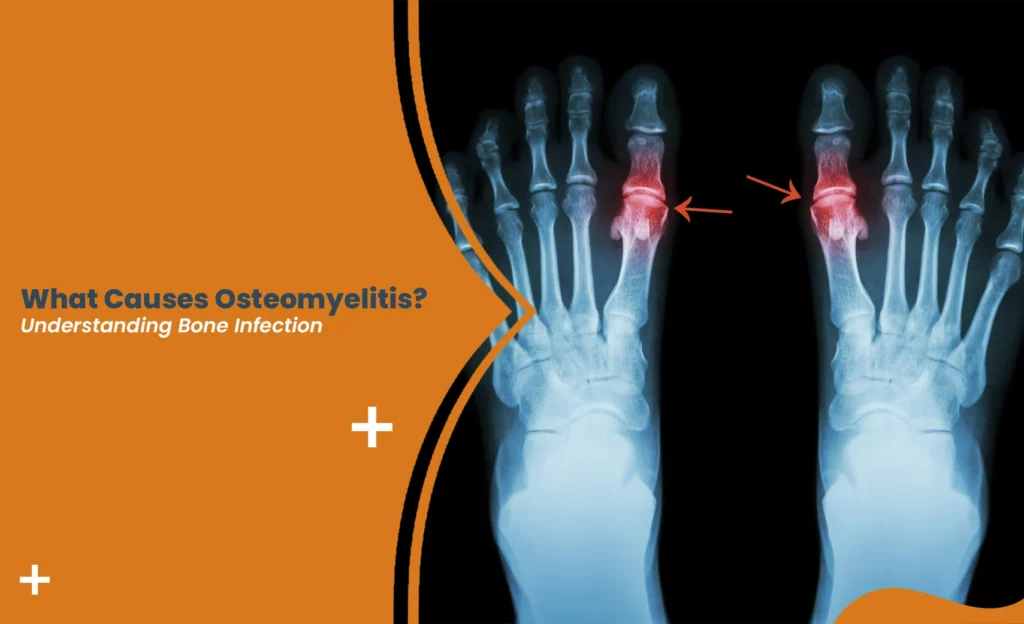
Bones are like the body’s kind of natural vault, you know, tucked under muscle, skin, and that connective stuff so they feel pretty safe. But still, bones can get infected, and when that happens, it can turn into osteomyelitis, which is painful and can become serious pretty quickly. The rate of osteomyelitis is about 21.8 cases per 100,000 people annually. Once people understand why it happens, who tends to get hit more often, and where treatments like Cephadex 500 mg can play a role in recovery, the whole thing feels less mysterious because bone infection causes aren’t the first thing most people think about.
A Deceptively Simple Definition With Complex Origins
Osteomyelitis is basically an infection inside the bone tissue itself. Most of the time it’s bacteria, though in some cases fungi can be involved too. The tricky part is that bacteria almost never start out inside the bone. Now the question is how bone infection develops. That happens via the bloodstream, from a nearby infected area, or directly through an injury, or sometimes after a procedure. After bacteria settle into bone, the inflammatory response and reduced blood supply in deeper bone areas can make it hard for the body to clear the infection on its own. So targeted medical care is often needed, not just “waiting it out.”
When Infection Travels Through the Blood
A big route is hematogenous spread. The bloodstream infection and osteomyelitis eventually lodge in the bone. This can happen especially in spots with better blood supply, like growth plates in children or the vertebrae in adults. So, bone infection after surgery that begins in the skin, a urinary tract issue, or even a dental abscess can theoretically seed bacteria into the bloodstream and later trigger a bone infection. That’s why clinicians treat bloodstream infections with extra attention, even if the original problem seems minor. The bacteria’s “ability to travel and plant itself” is real, and it’s not always obvious to people.
The Usual Suspect In Most Cases
There are different causes of bone infection. Staphylococcus aureus osteomyelitis is responsible for the majority of cases worldwide. A lot of it comes down to how well this bacterium sticks to bone tissue and makes biofilms. Those protective layers that make it harder for the immune system and many antibiotics to do their job. Because bacterial bone infection is so common, healthcare providers often start empiric antibiotics for suspected bone infection that cover staphylococcal species before culture results are back. Other bacteria can cause bone infection too, and fungi sometimes matter in people with weakened immunity, but Staphylococcus aureus is still the main culprit by far.
When Surgery or Injury Opens the Door
Not every case comes from bacteria traveling through blood. Another common pathway is infection after surgery. That can occur when bacteria are introduced directly into bone during orthopedic operations, joint replacements, or fracture repairs that use hardware like plates, screws, or rods. Sterile surgical technique helps a lot, but the risk never becomes zero, especially when implanted materials are involved. Foreign surfaces can make it easier for bacteria to attach and then build biofilms.
Open fractures are another direct contamination situation. When broken bone breaches the skin, environmental bacteria can get right into the bone at the time of injury, so this bypasses the bloodstream route completely.
A Particularly Vulnerable Population
Among higher-risk groups, people with diabetes really deserve special notice. Diabetic foot osteomyelitis can develop when a foot ulcer becomes infected. Often these ulcers connect to poor circulation and reduced sensation from diabetic neuropathy. Once an ulcer gets infected, the infection may spread downward into the underlying bone over time. And because neuropathy can blunt pain signals, the ulcer sometimes isn’t noticed, or it stays untreated for longer than it should. That can let the infection progress quietly until it reaches bone tissue. This is exactly why regular foot checks and fast wound care matter so much in diabetes management: keeping a small skin problem from turning into a bone infection can be the line between simple care and a much bigger medical issue later.
Other Factors That Raise the Odds
Beyond diabetes and prior surgery, there are other osteomyelitis risk factors that increase susceptibility. A weakened immune system (like from HIV, chemotherapy, long-term corticosteroids, or other immunosuppressive disorders) makes it easier for bacteria to establish infection before the body can control it. Peripheral vascular disease also raises risk because it reduces blood flow to the extremities. Less blood flow means poorer wound healing, and it also limits how effectively immune defenses can reach and fight infection.
Intravenous drug use is another route that deserves attention. When patients and providers recognize these patterns early, it helps catch osteomyelitis sooner, before it becomes harder to treat.
Recognizing the Warning Signs
Osteomyelitis symptoms can be pretty stubborn and include nonstop localized bone pain, swelling, warmth in the spot, fever, and sometimes drainage coming from a nearby wound or surgical site. In the longer term, it can look milder, with lingering discomfort and a general tiredness instead of those obvious sudden flare-ups. Since these signs can overlap with other issues, healthcare providers usually combine blood tests and imaging, like MRI or bone scans. When it’s possible, they may also do a bone biopsy or culture to pin down which bacteria are really involved and then steer treatment in a more targeted direction.
Medical Support
After osteomyelitis is confirmed and the bacteria are identified, treatment often means antibiotic therapy in many situations or surgery to clear out infected or dead bone areas. Cephadex 500 mg, a cephalosporin-type antibiotic, is one route some clinicians use, especially when the infection is due to staphylococcal or streptococcal organisms that are known to be susceptible. It can also show up in a step-down plan after an initial stretch of intravenous antibiotics, particularly for more serious cases. And because bone tissue tends to get less blood flow than many other areas, getting rid of the infection fully usually demands a longer antibiotic schedule than most everyday bacterial infections, sometimes stretching across several weeks to reach what’s going on deep inside the bone. Whether this medicine fits your specific case depends a lot on culture findings, severity level, and whether debridement is also included in the overall plan.
Final Thoughts: Catching Bone Infections Before They Escalate
This is serious, but once you understand the possible osteomyelitis causes, like bloodstream spread, surgical complications, diabetic foot ulcers, and direct contamination after injury, it becomes less confusing and more manageable, particularly when it’s caught early. With trusted health resources, quick recognition of risk factors, fast treatment for skin and soft tissue infections before they migrate, and appropriate antibiotics when clinically indicated can all help stop a bone infection from turning into something more complicated, chronic, and harder to treat later.
FAQs
1. What is the common cause of osteomyelitis?
The common cause is Staphylococcus. It attacks bone tissues and reduces immunity activities.
2. Does a bone infection develop from somewhere else in your body?
Yes, it can. It is known as hematogenous spread. It happens at other sources such as the skin or urinary tract, etc.
3. Why are people with diabetes more prone to osteomyelitis?
People with diabetes are more prone to bone infections because of diabetic neuropathy. It creates foot ulcers because of poor blood circulation and a nervous system.
4. How is Cephadex 500 mg used in treating bone infections?
This medicine is used for osteomyelitis tied to susceptible bacteria, sometimes as part of a step-down approach after initial IV antibiotics. The overall treatment period is typically much longer than for standard infections, because bone tissue has limited blood flow.
5. Can bone infection occur after orthopedic surgery?
Yes, it can still happen. If people use continental products like plates, screws, etc.