There’s something oddly intimidating about a small white tablet.
Not because it’s large or complicated. Not because the instructions are written in ancient Latin. But because the moment a doctor prescribes ivermectin, you realize this isn’t just another over-the-counter supplement. It’s targeted. Precise. It has a job to do.
And if you’re going to take it, you want to take it properly.
I’ve spoken to clinicians who repeat the same quiet truth: most medication mistakes don’t happen because people are reckless. They happen because people are uncertain. The instructions feel rushed. The leaflet reads like legal code. You nod in the clinic – then at home, you hesitate.
What Ivermectin Is Actually Prescribed For
In the US and UK, ivermectin is typically prescribed for parasitic infections. That might include intestinal worms, strongyloidiasis, or certain skin-related parasitic conditions. It’s not a general “wellness” pill. It’s specific. It targets parasites by interfering with their nervous system – essentially paralyzing and eliminating them.
That precision is exactly why dosing matters.
Unlike antibiotics, which are often taken over several days in fixed schedules, ivermectin sometimes involves single-dose therapy. Other times, it may require repeated doses spaced apart. And that’s where confusion begins.
Because a “single dose” doesn’t always mean what people think it means.
Understanding Proper Dosing (Without Overcomplicating It)
Here’s the core idea: ivermectin dosing is usually weight-based.
Doctors calculate the dose in micrograms per kilogram of body weight. That sounds technical, but in practice, your clinician already does the math. What you receive – whether it’s Iverhuman 12mg or Iverford 12mg – is based on that calculation.
What trips people up is timing.
For many parasitic infections, ivermectin is taken as a single dose on an empty stomach, with water. Not with a heavy breakfast. Not alongside a protein shake. Just water.
Why empty stomach? Because absorption can change when it’s taken with food. Some infections require optimal absorption at specific levels in the bloodstream, and food can alter how quickly or how much is absorbed.
But – and this is important – always follow your prescriber’s specific instructions. In some conditions, providers may advise taking it with food to improve systemic absorption. The nuance matters.
And yes, nuance is where most medication mistakes live.
Why “One Dose” Doesn’t Mean “Done Forever”
This is something I’ve personally seen patients misunderstand.
A doctor says, “Take one dose.” The patient hears, “This problem is over.”
But parasites have life cycles. Some hatch. Some migrate. Some reappear if eggs survive. So depending on the infection, your provider might recommend a repeat dose days or weeks later.
With Iverhuman 12mg, for instance, the initial dose might clear adult parasites. A second dose could be necessary to eliminate newly hatched ones.
It’s not overkill. It’s biology.
Skipping a follow-up dose – when prescribed – can reduce treatment effectiveness.
How to Actually Take It: The Small Details That Matter
Let’s talk practicalities.
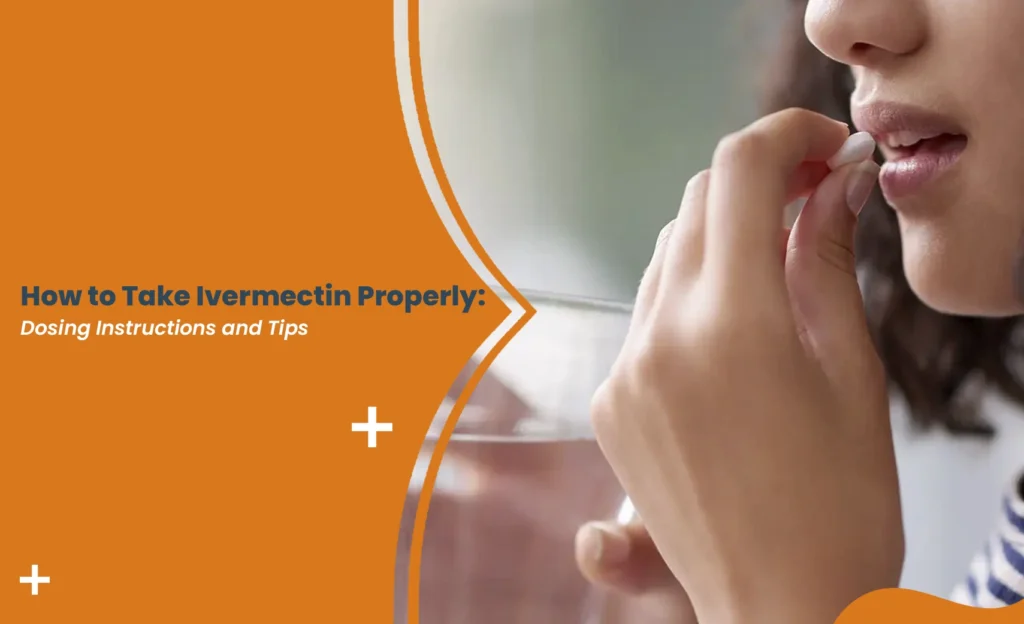
Take ivermectin with a full glass of water. Unless your doctor tells you to do something else, swallow the tablet whole. Do not crush or split unless told to do so. Accuracy in dosing is important.
If you have to take more than one dose, try to do it at the same time every day. Consistency helps keep drug levels in the blood stable.
And here’s something many people overlook: avoid alcohol while taking ivermectin. It’s not that one glass of wine will necessarily cause catastrophe, but alcohol can increase side effects like dizziness. Why add variables your body doesn’t need?
Simple steps. Quiet discipline. That’s how medications work best.
Common Side Effects – And When to Call a Doctor
Most people tolerate ivermectin well. Mild side effects might include:
- Dizziness
- Nausea
- Headache
- Fatigue
Sometimes, people feel slightly “off” for a day. That can actually be related to the body reacting to dying parasites rather than the medication itself.
However, more serious symptoms – severe rash, difficulty breathing, confusion, severe abdominal pain – require immediate medical attention.
With Iverford 12mg, as with any formulation, the active ingredient behaves similarly. What differs is branding and manufacturer – not the core pharmacology.
If you’re ever unsure whether a symptom is normal, call your provider. I’ve interviewed enough doctors to know: they would much rather answer a “silly” question than manage a preventable complication.
Drug Interactions: The Quiet Risk
One of the most important – and least discussed – aspects of ivermectin dosing is interaction with other medications.
Certain drugs that affect liver enzymes can alter how ivermectin is metabolized. Blood thinners, sedatives, or medications for neurological conditions may require special consideration.
This is why telling your doctor about everything you take – including supplements – matters. Not just prescription medications. Everything.
I once spoke to a pharmacist who told me, “The most dangerous words in medicine are ‘I didn’t think that mattered.’”
It usually does.
Why Self-Dosing Is a Bad Idea
It’s impossible to talk about ivermectin without addressing this gently but clearly.
Self-prescribing based on internet advice is risky. Dosing depends on body weight, infection type, and medical history. Taking too little may not clear the infection. Taking too much increases risk of toxicity – which can include neurological effects.
Even formulations like Iverhuman 12mg or Iverford 12mg should only be used under medical supervision.
Medications are tools. Tools require guidance.
Special Populations: Pregnancy, Children, and Older Adults
If you are pregnant, breastfeeding, or planning to get pregnant, talk to your provider in detail about the risks. Ivermectin is not usually recommended in early pregnancy unless the benefits are greater than the risks.
For kids, dosing is even more weight-specific. More than ever, accuracy is important. Accuracy matters more than ever.
Older adults may metabolize medications differently, especially if liver function is reduced. Monitoring may be advised in certain cases.
This is where individualized care becomes essential.
Storage and Handling: Surprisingly Important
Keep ivermectin in a cool, dry place – away from moisture and direct sunlight. Bathroom cabinets (with steam exposure) are often a bad choice.
Store it out of reach of children.
And do not share your prescription. Even if someone has “the same symptoms.” Infections that look similar can require completely different treatments.
What If You Miss a Dose?
If you’re prescribed multiple doses and forget one, take it as soon as you remember – unless it’s close to the next scheduled dose. In that case, skip the missed dose. Don’t double up.
Doubling up doesn’t improve effectiveness. It just increases side effect risk.
If in doubt, call your doctor. Always.
The Bottom Line: Precision Is Protection
Taking ivermectin properly isn’t complicated – but it is intentional.
Follow weight-based dosing.
Follow timing instructions.
Don’t improvise.
Don’t guess.
Whether prescribed as Iverhuman 12mg, Iverford 12mg, or another formulation, the active ingredient works best when used exactly as directed.
Medication isn’t magic. It’s method.
And method – done correctly – is powerful.
FAQs
1. Can I take ivermectin with food, or does it have to be on an empty stomach?
This is one of the most common questions – and honestly, it depends on why you’re taking it. For many parasitic infections, doctors recommend taking ivermectin on an empty stomach with water. That’s because food can slightly change how the medication is absorbed. But in some cases, clinicians may advise taking it with food to improve absorption into the bloodstream. So if your prescription says “empty stomach,” stick to that. If it doesn’t specify, don’t guess – ask your pharmacist. It’s a quick phone call that can save a lot of second-guessing later.
2. What happens if I accidentally take a higher dose than prescribed?
First, don’t freak out. A small mistake doesn’t always mean something bad will happen. But there is a reason why ivermectin dosing is based on weight. Higher doses can make side effects more likely, such as dizziness, nausea, confusion, or, in rare cases, neurological symptoms. If you took more than you were told to, call your doctor or local poison control right away for help.
3. Do I really need to take the second dose if Iam already feel better?
Yes – if it was prescribed. Feeling better doesn’t always mean the parasites are fully gone. Some infections require a follow-up dose to clear newly hatched organisms. Stopping early can mean starting over later.
4. Can I drink alcohol while taking ivermectin?
Avoid it at all costs. Alcohol can exacerbate side effects and dizziness. It’s not worth the gamble for a few days of treatment. Give your body a break.
5. How do I know if the medication is actually working?
This is the quiet anxiety many people don’t voice. When you have a parasitic infection, you might not feel like you’re getting better right away. Sometimes symptoms, like itching, stomach pain, or tiredness, go away slowly over the course of days or weeks. Your doctor may schedule follow-up tests to make sure the infection has gone away in some cases. It’s also common to have short-term symptoms as parasites die off. That doesn’t always mean the medicine isn’t working; sometimes it means it is. If your symptoms get a lot worse or don’t get better in the time frame your doctor gave you, call them back. Medicine works best when there’s communication – not silent uncertainty.