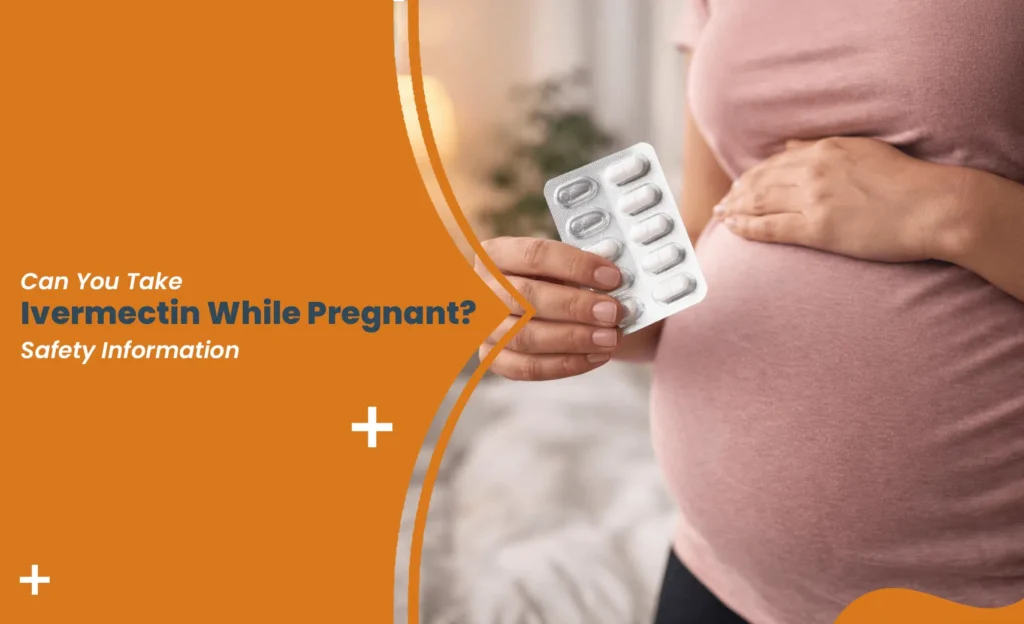
Pregnancy changes how you look at everything.
The coffee you drink. The shampoo you use. The way you read medicine labels – twice, sometimes three times. I’ve interviewed enough pregnant women over the years to know that even a simple over-the-counter tablet can spark a spiral of late-night Googling.
So when the word ivermectin enters the conversation, anxiety tends to follow.
Can you take it? Should you absolutely avoid it? Is it unsafe – or just not well studied?
The honest answer isn’t dramatic. It’s nuanced. And nuance doesn’t always trend well online.
Why medication decisions feel heavier during pregnancy
When you’re pregnant, you’re not just making decisions for yourself. There’s a second body involved – developing organs, forming neural pathways, tiny systems that are incredibly sensitive in early weeks.
That’s why so many women end up searching for things like “Is it safe to deworm while pregnant?” or trying to understand how antiparasitic medications are used in humans and what safety precautions matter most.
The issue isn’t that ivermectin is inherently toxic. The issue is that pregnant women are rarely included in clinical trials. That leaves us with observational data, animal studies, and real-world case reports – but not the kind of gold-standard randomized trials that give clean, simple answers.
And pregnancy rarely works in clean, simple terms.
Where Ivermectin Fits in the Medical Landscape
Ivermectin is commonly prescribed for certain parasitic infections – including strongyloidiasis, scabies, and other helminthic conditions. Branded versions like Iverguard 12 mg are used in standard adult dosing outside of pregnancy under physician supervision.
But pregnancy changes the equation.
Animal studies have shown that extremely high doses of ivermectin may pose developmental risks. However, animal dosing doesn’t always mirror human therapeutic dosing. In humans, available data hasn’t consistently demonstrated a clear pattern of birth defects from medically supervised use – but the data pool remains limited.
That “limited” part is what drives caution.
If you’ve ever read pieces explaining what Iverguard 12 mg is used for and how it works, you’ll notice pregnancy is usually listed under “consult your doctor before use.” That isn’t corporate vagueness. It’s because risk assessment during pregnancy must be individualized.
The Risk of Untreated Infection
Here’s the part people often overlook.
Untreated parasitic infections can also carry risks during pregnancy. Severe strongyloidiasis, for example – discussed in medical breakdowns of Strongyloidiasis: symptoms, causes, and prevention – can lead to systemic complications if left unmanaged.
In some regions of the world, parasitic infections contribute to anemia, malnutrition, and maternal weakness. And maternal health directly affects fetal health.
So the decision isn’t always “medication vs nothing.”
Sometimes it’s “infection risk vs medication risk.”
In those situations, a physician may consider whether prescribing Iverguard 12 mg is justified based on severity, gestational age, and available alternatives.
That decision is clinical. Not emotional. Not internet-driven.
First Trimester vs Later Pregnancy
The first trimester is when fetal organs are forming. This is the window where doctors are most conservative with medications.
If ivermectin treatment becomes necessary later in pregnancy, the risk-benefit calculation may shift slightly. But it still requires professional evaluation.
When healthcare providers assess whether Iverguard 12 mg is appropriate, they consider:
- Gestational stage
- Severity of infection
- Available alternative treatments
- Overall maternal health
It’s rarely a snap decision.
What About Dosage and Safety?
If you’ve ever read guides explaining Ivermectin dosage for scabies and what patients need to know, you’ll notice dosage precision matters.
During pregnancy, precision matters even more.
Self-adjusting dose. Splitting tablets randomly. Following advice from anonymous forums. These are not safe strategies – especially not while pregnant.
That’s also why articles warning about what happens if you take too much ivermectin are relevant here. Overdosing carries neurological risks, and pregnancy does not shield you from side effects.
If a physician determines that Iverguard 12 mg is necessary, dosing will be carefully calculated and monitored.
Not guessed.
Liver Health and Medication Metabolism
Pregnancy already shifts liver metabolism. Add medication into the mix, and monitoring becomes important.
There’s growing discussion around the effects of ivermectin on liver function, particularly in individuals with underlying conditions. While ivermectin is generally well tolerated at prescribed doses, pregnancy can alter how drugs are processed.
If Iverguard 12 mg is used, your doctor may consider liver function history and other concurrent medications.
Again – individualized care.
Why Self-Medicating Is Especially Risky During Pregnancy
I can’t emphasize this enough.
There are entire articles dedicated to explaining why self-medicating for parasites can be dangerous. During pregnancy, that danger multiplies.
Incorrect diagnosis. Incorrect dosing. Drug interactions. All of these become more serious when a fetus is involved.
Buying ivermectin without consultation and taking Iverguard 12 mg based on online dosage charts is not a responsible approach.
Pregnancy deserves medical oversight.
Comparing Treatment Options
Some women ask about alternatives. Is mebendazole safer? What about topical scabies treatments? Should you wait until after delivery?
This is where conversations around Deworming tablets: which one works best for you? become relevant – because “best” changes during pregnancy.
Sometimes doctors recommend postponing treatment for mild conditions. Sometimes topical treatments are preferred. Sometimes intervention can’t wait.
If systemic treatment is necessary, a product like Iverguard 12 mg may be evaluated carefully against other available therapies.
There isn’t a universal rule.
Emotional Weight of the Decision
Let me share something I’ve noticed over years of reporting on maternal health.
Women don’t just want clinical safety. They want reassurance.
They want to know that if they take something – especially something with mixed online narratives – they aren’t unknowingly harming their baby.
I once interviewed a woman treated for parasitic infection in her second trimester. After reviewing all options, her doctor prescribed Iverguard 12 mg under strict monitoring. She took it. Her pregnancy progressed normally.
But what stayed with her wasn’t the pill. It was the fear before taking it.
Pregnancy magnifies uncertainty.
So… Can You Take Ivermectin While Pregnant?
Sometimes. Under medical supervision. When the benefit clearly outweighs the risk.
Not casually. Not preventively. Not because someone on social media said it was fine.
Medications like Iverguard 12 mg are tools. In certain clinical contexts, they are necessary. In others, they can be postponed.
The safest path is conversation – with a GP, obstetrician, or infectious disease specialist. Confirm diagnosis. Discuss alternatives. Evaluate timing.
And breathe.
Because most medication decisions in pregnancy aren’t about eliminating all risk. They’re about managing it intelligently.
A Grounded Takeaway
If you’re pregnant and facing this question:
Don’t panic.
Don’t self-prescribe.
Don’t ignore symptoms either.
Ask for clarity. Ask for risk breakdowns. Ask for evidence.
Pregnancy is not a time for extremes. It’s a time for thoughtful decisions guided by credible professionals.
And if Iverguard 12 mg becomes part of that decision, it should be because your healthcare provider carefully weighed every variable – not because Google said so.
FAQs
1. I just found out I’m pregnant and I already took ivermectin. Should I panic?
Take a breath first. Panic won’t help – and in most cases, one standard dose taken before you knew you were pregnant does not automatically mean harm has occurred. The next step isn’t fear, it’s information. Call your doctor, explain the timing and dosage, and let them guide you. Most early exposures turn out far less dramatic than our minds make them at 2 a.m.
2. Why won’t doctors just say “yes” or “no” about taking it during pregnancy?
Because medicine during pregnancy rarely lives in black-and-white territory. It’s about risk versus benefit. If the infection is mild, a doctor may prefer to wait. If the infection poses a serious risk to you, treatment might make more sense. The answer depends on your specific situation – not a universal rule.
3. Is it safer to just avoid treatment altogether until after I deliver?
Sometimes yes. Sometimes no. Untreated parasitic infections can also carry risks – including malnutrition or systemic complications. The safest choice isn’t always “do nothing.” It’s “do what makes the most medical sense for this exact pregnancy.” That decision deserves professional input, not guesswork.
4. Can I take a smaller dose just to be safe?
No – adjusting doses on your own isn’t safer, it’s unpredictable. Too little may not treat the infection. Too much can increase side effects. Medication during pregnancy needs precision, not improvisation. If treatment is necessary, your doctor will calculate what’s appropriate.
5. Why does this decision feel so emotionally overwhelming?
Because being pregnant makes you more responsible. It seems like every choice has long-lasting effects. It’s normal to want to protect yourself, be careful, or even be scared. But don’t forget that getting medical advice, asking questions, and making smart choices are all good things to do. Being scared is not the same as being thoughtful. It’s strength.