
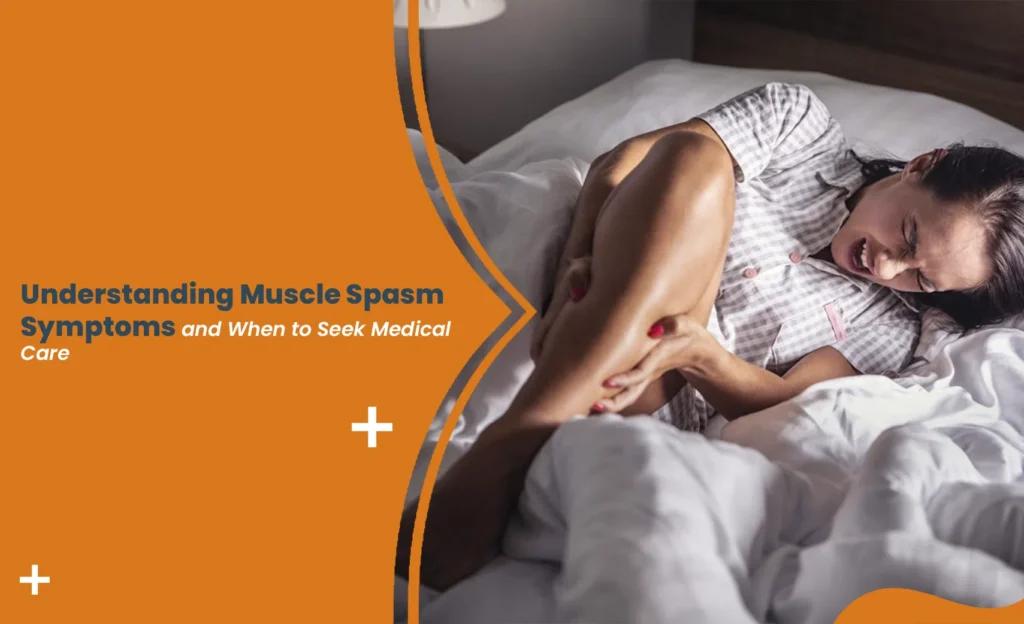
Muscle spasms are one of the most prevalent physical complaints that people encounter, but it is not well understood. A muscle spasm may occur during the night on your calf or suddenly after a long day at work on your lower back and can be a bothersome annoyance or a symptom of a condition that requires medical attention. This blog covers what you should look for: signs of muscle spasms, causes of the condition, treatment, and medical advice.
What Is a Muscle Spasm?
A muscle spasm is when a muscle contracts unintentionally and will not relax. Painful muscle contractions may occur for several seconds or more, and the muscle may be hard or knotted to touch. Although the words “spasm” and “cramp” are often used interchangeably, there is a difference in that a spasm involves a painful tightening that can be seen, while a cramp is not necessarily associated with that kind of tightening and may typically occur in the legs or feet.
While sudden muscle contractions can happen in just about any muscle in the body, certain areas are more susceptible to muscle spasms than others. Back muscle spasms are very prevalent in those who have sedentary careers or bad posture, and neck muscle spasms are usually brought on by stressful situations, sleeping in an improper position, or staring at a computer screen for too long. Leg muscle spasms, especially in the calves, are well known for their tendency to occur during sleep.
Recognizing the Signs of Muscle Spasms
When you have an idea of the symptoms of muscle spasms, you are able to respond rapidly and appropriately. Common muscle cramp symptoms include:
- Temporary, sudden, and involuntary muscle contraction.
- Hardening of the muscle (which can be seen or felt)
- Muscle stiffness that may be mild or severe and cause pain.
- Persistent muscle stiffness and pain, following the spasm.
- Roughly textured skin under the surface of the body, or bubbling of the skin in the affected area
- A temporary loss of strength, or a decrease in range of motion, of the muscle.
These signs usually last quite short and end on their own for most people. If severe muscle spasms occur or if they occur regularly and disrupt activities, sleep, or mobility, they warrant further discussion.
Common Causes of Muscle Spasms
The exact reasons why muscles spasm are not known but may involve multiple factors. Common causes of muscle spasms are:
- Deficiencies of potassium, calcium, magnesium, or sodium can lead to abnormal muscle activity.
- Spasms can occur from strenuous exercise, repetitive movements, or fatigue, particularly in athletes.
- Sitting or standing with poor posture for extended periods of time can create a strain in the muscles of the back and neck.
- A pinched nerve or herniated disc can trigger muscle spasms around the nerve.
- Emotional stress can often be manifested physically in the neck, shoulders, and back muscles.
- Multiple sclerosis, cerebral palsy, peripheral artery disease, and spinal cord injuries are examples of medical conditions that may lead to chronic spasticity.
- Some medications can change the function or electrolyte balance of the muscles.
Interestingly, muscle spasms at night can be more common and are often associated with dehydration, excessive sitting during the day, or perhaps simply the natural muscle fatigue that builds over the hours of sitting, followed by a sudden stretch while sleeping.
Muscle Spasm Diagnosis
The healthcare provider will first try to talk with you about your history and your symptoms and then perform a physical exam if spasms are frequent, severe, or unexplained. Diagnosis of muscle spasm can also include the following:
- Blood tests to check electrolyte and mineral levels
- Imaging tests (X-ray, MRI, or CT scan) to exclude nerve compression and/or spine problems
- Electromyography (EMG) to determine levels of electrical activity in muscles and nerves
- A survey of the drugs and lifestyles that are available today
It is essential to make an accurate diagnosis to evaluate if the spasms are due to an underlying condition that requires specific treatment or if the spasms are a separate problem needing specific treatment.
Muscle Spasm Treatment Options
The effective muscle spasm treatment will depend on the frequency, severity, and cause of the episode of muscle spasms. Typical approaches are in several categories:
- Muscle Spasm Home Remedies
- If spasms occur occasionally and are mild, simple home muscle spasm remedies will do:
- Gently stretching and massaging the affected muscle
- Heat or cold is used to loosen tight muscles or to prevent inflammation after hard muscle spasms.
- Additionally, maintaining proper hydration all day long is important.
- Properly providing potassium, magnesium, and calcium.
- Warm bath before sleeping at night to relieve muscle spasms.
- Using appropriate shoes and stretching before exercise
- Muscle Relaxants for Muscle Spasms
If the spasms are more persistent, more painful, and associated with a neurological or musculoskeletal condition, the healthcare provider might recommend a muscle relaxant for muscle spasms. Baclofen-ratiopharm 10 mg tablets are one of these treatments. Baclofen is used frequently to treat spasticity caused by multiple sclerosis (MS), spinal cord injury, or severe chronic back or neck spasms that have not improved with conservative treatment because it works by suppressing the central nervous system and preventing excessive muscle contractions.
Baclofen-ratiopharm should only be used under medical supervision, as with any medicine that is recommended as a muscle relaxant. Now the question is when to see a healthcare provider for muscle spasms. Your healthcare provider will recommend the right dose depending on your medical history and condition when you are recommended it and check you for side effects like drowsiness, dizziness, and weakness, especially when you first start taking it or change the dose. It should not be suddenly withdrawn, as this can cause withdrawal symptoms.
Muscle Pain Management Beyond Medication
Treatment for muscle pain may involve a combination of medications and lifestyle and physical measures, such as
- Physical therapy to enhance flexibility, strength and posture
- Moderate exercise (walking, swimming)
- Devices at work and at home that improve the ergonomic situation.
- Yoga or breathing techniques as ways to reduce stress.
- No matter what, drink plenty of water and eat a balanced diet.
Preventing Muscle Spasms
Not all spasms can be prevented, but there are a number of methods that will help to prevent muscle spasms:
- Always warm up prior to activity and cool down after using gentle stretches.
- Consume adequate amounts of water throughout the day, particularly in hot weather and/or during exercise.
- Drink plenty of fluids that contain both electrolytes and minerals.
- Don’t stay in the same position for too long when sitting or standing
- Enjoy a good night’s sleep and relieve stress
Final Thoughts
Muscle spasms are experienced by many people. This blog shares its symptoms, causes, and treatment options that may help you to manage your issues effectively. Mild or occasional muscle spasms happen because of dehydration and wrong exercise. These can be resolved through hydration, stretching, and rest. In this case, you need proper medication and a strict treatment plan to cure the spasms permanently. Baclofen-ratiopharm 10 mg tablets may help to give you muscle spasm relief and help you get back to your daily routines.
FAQs
1. What is the difference between a muscle spasm and a muscle cramp?
Muscle cramp is one type of spasm that is painful. On the other hand, muscle spasm is an involuntary muscle contraction.
2. Why do you get muscle spasms at night?
The causes are dehydration, muscle fatigue from daily activity, and poor circulation. It can also happen because of sudden changes in your body from long inactivity during sleep.
3. Can stress cause muscle spasms?
Yes. Emotional stress causes muscle spasms. This occurs at the neck, shoulders, and back. Huge tension and long-time depression increase emotional stress.
4. When should you take Baclofen-ratiopharm 10 mg tablets for muscle spasms?
Baclofen-ratiopharm 10 mg tablets are used as medicine to relax muscles. It is used when your muscle issues reach moderate to severe spasms. You may take this medicine after consulting with your healthcare provider.
5. Are frequent muscle spasms a sign of a serious condition?
It can be serious sometimes when your nervous system becomes imbalanced or you are suffering from an electrolyte imbalance or a neurological condition. Do not neglect if you see these symptoms. Seek the advice of a healthcare provider immediately.