
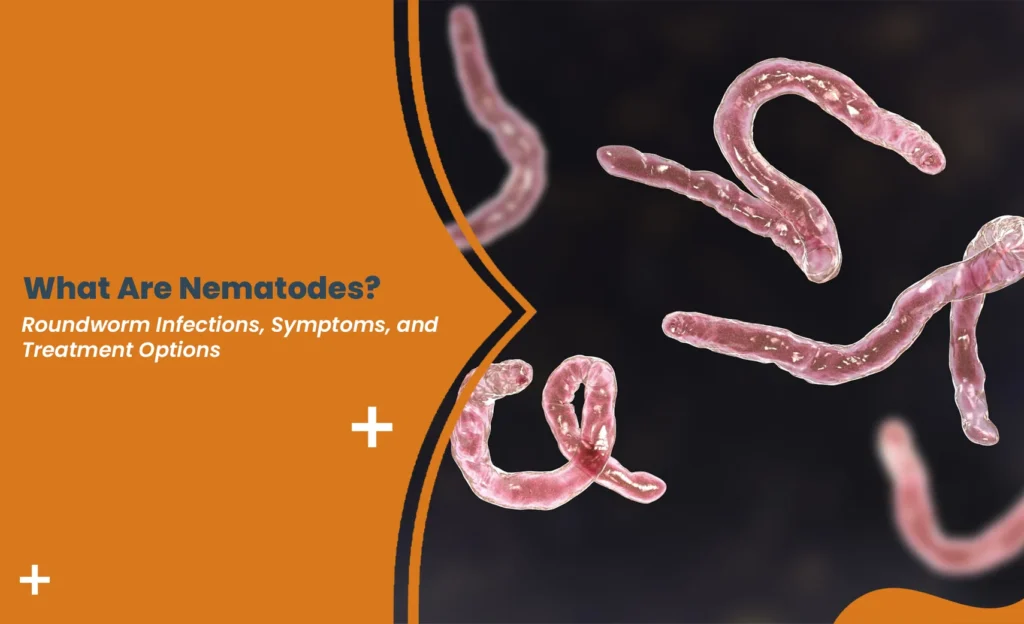
More than 1 billion people are infected by intestinal nematode infections globally. The prevalence of intestinal nematodes fell from 53.6% in 1990 to 19.6% in 2003. African countries such as Burkina Faso, Angola, Mali, Mozambique, Malawi, Niger, Uganda, and Sierra Leone are highly infected zones. This blog is going to analyze how roundworm infection develops in the human body, its symptoms, and the treatment process, as well as medical support like Ivergruad 12 mg.
What Are Nematodes, Exactly?
What are nematodes? This is a fair question. However, this term is not common in vocabulary or daily use. Nematodes are commonly known as roundworms. These are the diversified phylum of worm-like organisms that is characterized by long, cylindrical bodies tapered. They mainly stay or live at water, soil, sand, and other home areas. Ascaris lumbricoides stands out as the most common species responsible for human infection worldwide. This is specifically termed “ascariasis roundworm infection” in humans. People infected by it are around 800 million to 1.2 billion people globally.
How the Infection Actually Develops
People should understand the roundworm life cycle. This cycle starts when a person ingests microscopic roundworm eggs when he/she becomes connected to contaminated soil, food, or water. After swallowing, eggs hatch in the small intestine. They release larvae of Nematodes. This penetrates the intestinal wall and travels to the lungs through the bloodstream. Thus, larvae migrate to the respiratory tract and get swallowed once again. Then come back to the small intestine. Here they mature into adult worms. They are able to produce hundreds of thousands of new eggs daily. They eliminate through feces. This cycle runs continuously in a new host.

What Leads to Infection in the First Place
There have been several causes of roundworm infection. People are mainly infected if they enter contaminated environments or stay around contaminated environments without taking any precaution. Soil contaminates along with human feces. It is the primary source of roundworm eggs. These eggs are able to survive in soils for several days to weeks if they get a favorable atmosphere. You may get infected if you use or wear beds or clothes of infected people. You may also get contaminated if you fertilize with contaminated soil, drink contaminated water, or have accidental hand-to-mouth contact. These are the common transmission processes.
Recognizing the Symptoms
Roundworm infection symptoms depend on infection intensity. There are several stages of the parasite’s life cycle that activate in the body. At the early migratory phase, the signs of roundworm infection is that larvae pass through the lungs. For this reason, infected people experience dry cough, mild fever, and wheezing. Sometimes, people mistake Nematodes’s symptoms for a respiratory infection because the symptoms are the same in both cases. On the other hand, adult worms live in their hosts’ intestine. As a result, infected people experience abdominal pain, nausea, and diarrhea. Sometimes, visible worms see in stools and vomiting. Some children face severe situations. They face nutritional deficiencies or impaired growth.
When the Infection Becomes More Serious
Many roundworm infections are mild but can transfer into critical levels because of a heavy worm burden. If intestine blockage happens because of a large mass of adult worms, urgent medical attention is needed. It is critical for children who carry a heavy number of worms in their small intestines. Moreover, Nematodes worms migrating into the bile duct or appendix develop more complications of roundworm infection, such as duct obstruction or appendicitis. Infected people visualize uncommon compared to the more typical, milder gastrointestinal presentation most infected individuals experience.
Confirming the Diagnosis and Choosing Treatment
It is very important to complete a diagnosis correctly. Generally, in the case of nematodes, healthcare providers prefer stool sample analysis to identify roundworm eggs. They use microscopic examination to analyze the stool. When they confirm, they start roundworm infection treatment immediately. A healthcare provider recommends antiparasitic medication to eliminate the worms effectively. Iverguard 12 mg is a pharmaceutical medication that is used for antiparasitic solution. This medication treats roundworm and nematode-related infections. This medicine disrupts the nervous system of worms. As a result, worms cannot collect glucose from the hosts’ bodies. Later, they paralyze and eliminate the worms. So the body can clear the infection naturally over the following days. Users experience full resolution of symptoms within 1 to 2 weeks by applying the right dose. Generally, healthcare providers recommend doing stool testing several times for confirmation.
Reducing Your Risk Going Forward
You have to learn how to avoid roundworm infection. The precaution is maintaining hygiene and sanitation practices continuously. You have to wash your hands before and after eating/drinking. Wash your hand after using the bathroom. You must avoid using used towels, soaps, clothes, pillows, and beds. You have to wash fruits and vegetables carefully before cooking or eating. You make sure that you consume mineral water, purified water, or boiled water. You must avoid drinking water from taps, ponds, dirty taps, and unclear sources. In some areas sanitation infrastructure is limited. There has needed a community-level improvement along with a periodic deworming program. This helps to reduce the rate of infections. Hygiene improves broader environmental and public health measures.
Summing Up
Nematodes are a type of roundworm infection. This creates widespread parasitic health issues globally. Currently, it is highly treatable, and there are several treatments to cure it. You can take Iverguard 12 mg to cure this type of infection, or explore anthelmintic treatment options for roundworm infections. Roundworm infection can be manageable if people take medical help on time. Otherwise, this will be a serious health concern. People have to focus on their hygiene practices to reduce the spread of worms and their eggs/larvae.
FAQs
1. What are nematodes, and how are they different from other parasites?
Nematodes are one type of roundworms. It is a cylindrical, worm-like organism. For this reason, this is different from tapeworms or flukes. Ascaris lumbricoides is the species that is commonly responsible for human roundworm infection globally.
2. How long does it take for roundworm infection symptoms to appear after exposure?
At the early stage, infected people experience respiratory-related symptoms. It takes 1 to 2 weeks of ingestion. Adult worms take 1 to 2 months to expose.
3. Can roundworm infections cause complications if left untreated?
Yes, serious infections lead instentinal blockage. However, most infections are mild if people start their treatment on time.
4. How effective is Iverguard 12 mg for treating roundworm infections?
This medicine is used to treat roundworm and nematode infections. This medicine cures within 1 to 2 weeks. These medicines paralyzed worms, and later they died.
5. What’s the best way to prevent roundworm infection?
People should wash their hands before and after eating. People wash their hands and legs when they come out from outside. People should wear shoes when they walk on soil and sand. The community needs to adopt deworming strategy at poor hygiene areas.