
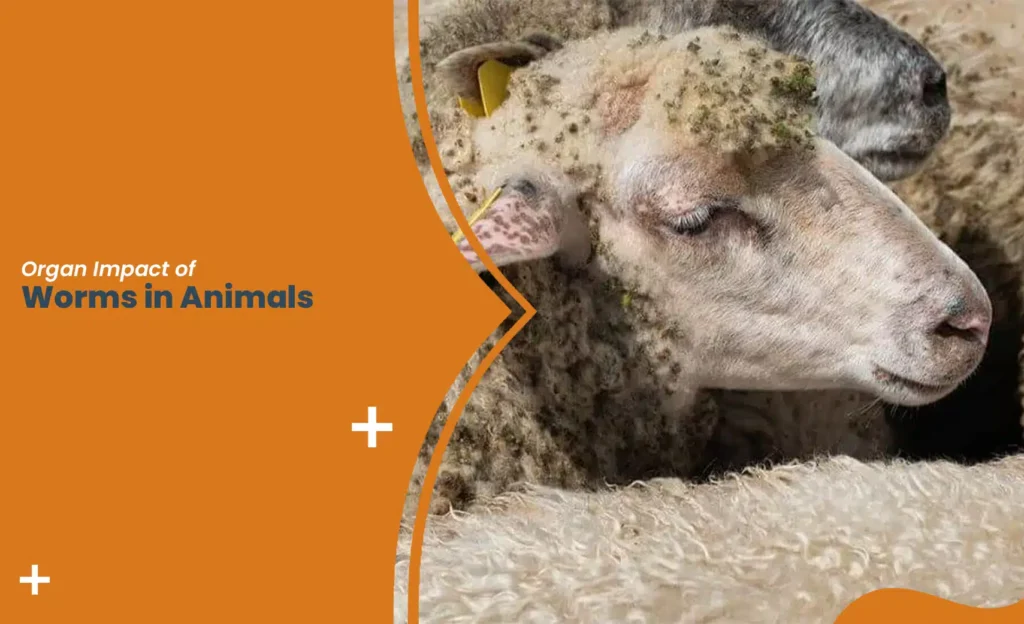
As an observer, everything may seem fine when observing your pet or farm animal. They eat, run, play, and are energetic. Parasitic worms (helminths) attack animals’ various body organs. The result is organ damage. Inflammation, nutrient depletion, and organ failure are shown.
The reason for the organ impact of worms and the importance of early intervention is explained here. Many owners believe that it is only a problem with digestion, and that is not the case. Worms affect animals’ livers, lungs, intestines, heart, and health.
Knowing the impact of worms in animals can help you identify the warning signs early enough to prevent severe problems through Wormchrist 444mg.
Consistent monitoring combined with an internal parasite treatment can help minimize the long-term effects of worm infestations.
The Hidden Travelers: Internal Parasites in Animals
Think of your animal’s body as a busy city. The organs are vital structures that ensure the smooth functioning of life (city). Now imagine unwanted visitors enter the city without permission. These travelers are called internal parasites of animals, and they live off their host. Others stay in the digestive system, and some move to the other organs. Common animals’ parasites are Roundworms, Hookworms, Tapeworms, Lungworms, Whipworms, and Liver flukes. These parasites multiply, develop and migrate, and can cause severe health issues.
How Do Worms Enter Animals’ Bodies?
Animals may become infected in various ways. Animals can be infected by eating contaminated food and by drinking infected water. Animals walk on roads, fields, and other areas. Contaminated soil is a reason for their infections. Moreover, flea transmission, mother-to-young transmission, and exposure to contaminated bodily fluids or bodily contact are the causes of this infection, as well as parasite damage in animals. After a worm enters the body, it starts to multiply, and the problem begins with the organ impact of worms.
Organ Impact of Worms: Intestinal Damage
Worms will invade the intestines first. Here, the parasites feed on the nutrients that animals require for their growth and energy. The outcome could be weight loss, diarrhea, vomiting, poor coat quality, reduced appetite, and weakness. Young animals are particularly susceptible because they need more nutrients to grow. If not treated, intestinal parasites can cause inflammation and a deficiency of nutrients that can impact the whole body.
Organ Impact of Worms: Liver Damage from Worms
The liver acts as a filter. This filters the body of toxins and nutrients. However, some parasites penetrate the liver tissue. Liver damage may be due to several issues, such as parasites that cause tissue damage, damage to the liver cells, inflammation, and changes in blood flow. Animals suffer from liver problems. The symptoms are weight loss, low energy, swollen abdomen, loss of appetite, and digestive discomfort. The problem is that liver damage can be insidious and can only be identified in its earliest phases by symptoms.
Organ Impact of Worms: Lungworm Infection in Animals
The lungs provide oxygen to the rest of the body. Animals are active and have energy when their lungs are healthy. In animals, however, the picture is different regarding the lungworm infection. A few worms migrate through the blood vessels and come to settle in the lung tissue, where they grow and multiply. Symptoms are persistent coughing, difficulty breathing, wheezing, low activity, and fatigue during exercise. In severe cases, breathing may be impaired and may be a serious condition, especially in younger or older animals.
Organ Impact of Worms: The Heart and Blood Circulation
While many owners only consider digestive symptoms, parasites can also have an impact on circulation. Excessive infestations can cause reduced oxygen delivery, weakness, poor stamina, anemia, and reduced performance. Animals might be less active and enthusiastic at this point of time.
Parasite Damage in Animals
Parasites are good at surviving. Others remain inside the host for prolonged periods without inciting immune responses. Infection reduces an animal’s immunity. The potential impacts are a delay in recovery, poor resistance power, more illnesses, and so on.
Warning Signs You Should Never Ignore
Animals do not articulate with words, so it is up to the owner to notice the behavior change. Possible signs are sudden weight loss, bloated stomach, coughing, poor appetite, dull fur, weakness, digestive changes, and low energy. If your animals have mild symptoms, you should pay attention to them, as parasite problems can be gradual.
Prevention vs Treatment
Delaying treatment until a visible change is noticed may be too late for damage to be repaired. Regular parasite treatments contribute to overall wellness. Preventive strategies include:
- Clean feeding areas
- Regular hygiene
- Fresh drinking water
- Veterinary examinations
- Routine deworming schedules
One of the most important parts of controlling exposure to parasites is the use of an effective deworming medicine for animals can react differently, and make sure to diagnose with a proper health care professional.
Wormchrist 444mg: Another Deworming Medicine For Animals
Wormchrist 444mg is a drug used to treat parasites. In the context of parasite control strategies, Wormchrist 444mg can be mentioned as one of the deworming options for animal parasite management. Deworming medicine for animals controls worms prior to the development of significant organ-related complications. The main benefit of deworming is to support digestive health. Another benefit is to reduce the incidence of parasites. This also maintains nutrient absorption.
Dosage: A small dog takes half a tablet (weight 5 to 10 kg). A medium-sized dog takes one tablet (weight 10 to 20 kg). A large-sized dog takes one to two tablets (weight 20 to 30 kg). Cats, sheep, goats, and other livestock get tablets as per their weight.
Final Thoughts
The organ impact of worms reaches different health issues in animals. They are the little invaders that can disrupt the health and well-being of animals without them realizing it, and they can also have an impact on the digestive system, liver, and lungs.
The organ impact of worms in animals tends to be insidious and manifest only gradually over time, making the infections go unnoticed, and the animals suffer from more serious health issues. Proper diagnosis, prevention, and deworming programs can prevent animal damage caused by parasites.
FAQs
- Do worms affect the body organs of animals?
They attack animals’ liver, intestines, lungs, and blood circulation system. Different types of worms attach to different body organs.
- Do worms damage livers?
Yes. If animals suffer from infections for a long time, then they face liver damage.
- How do animals get lungworm disease?
Your pets or other animals are infected because of living/staying in contaminated environments. They can also be infected with lungworm disease by ingesting larvae (parasite).
- How long do animals need deworming treatment?
Deworming treatment is based on the animals’ age, lifestyle, and species. Veterinary recommendations are also shown during treatment.
- How will Wormchrist 444 mg help to manage parasites?
Wormchrist 444mg is used as a parasite management strategy. However, owners of animals should consult with a veterinarian before giving this medication to their animals.