
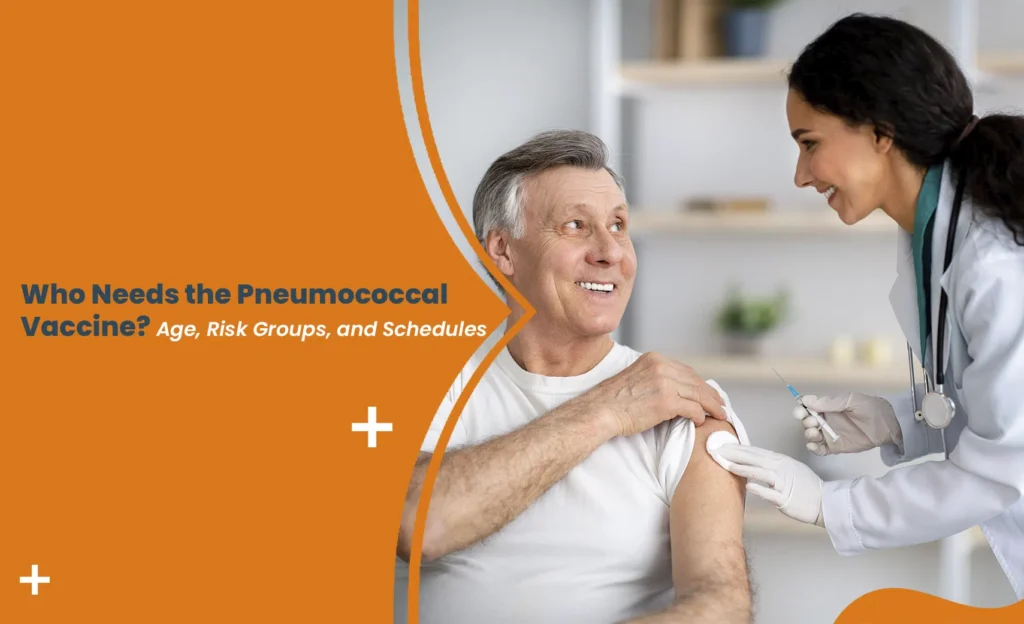
The pneumococcal vaccine is one of the most effective vaccines available today to prevent pneumococcal disease, which is caused by Streptococcus pneumoniae, a bacterium that causes pneumonia, meningitis, bloodstream infection, and ear infections. Although it’s important, some people still don’t know if they need it, when it’s recommended for them and how many doses of the vaccine are needed. This blog explains who needs to be vaccinated, when, and what your immunizations are like.
What is Pneumococcal Disease?
The bacteria (Streptococcus pneumoniae) responsible for pneumonia are mainly transmitted through respiratory droplets when infected people cough, sneeze, or are in close contact. When pneumococcal disease becomes severe, it may require hospitalization and can be life-threatening in vulnerable persons like immunocompromised patients, older people, and infants. That is why vaccination is the first thing to consider when it comes to prevention, before relying on treatment after infection can happen.
Pneumococcal Vaccine Age Recommendation
The pneumococcal vaccine age recommendation typically focuses on 2 age groups: young children and adults over age 65 and some younger adults depending on their health status. Vaccination usually starts at two months of age and is part of the recommended infant and childhood vaccination program, a time when invasive pneumococcal infections are most likely to occur. Immunity naturally declines with age, and older adults have a regular and well-founded need to be vaccinated, even if they are otherwise healthy.
Pneumococcal Vaccine Schedule for Children
The pneumococcal vaccine for babies and children usually consists of 4 doses at 2 months, 4 months, 6 months, and finally between 12 and 15 months. A structured schedule to provide robust immunity during the period of infancy, when immunity is immature and most likely to have a severe response such as bacteremia and meningitis. This vaccine is generally given at the same time as other important childhood vaccines.
Adult Pneumococcal Vaccine Guidelines
The pneumococcal vaccine recommendations for adults are for two main groups: adults age 65 and older and young adults (age between 19 and 64 years old) with certain underlying health conditions. conditions. conditions that increase their risk. One or more doses of vaccine may be required, depending on the person’s vaccination and health history, sometimes using both the PCV13 vaccine and the PPSV23 vaccine administered at different points to provide more extensive, more complete protection. A health care provider is best able to conduct the vaccine history and make recommendations regarding vaccine sequence and timing.
High Risk Groups for Pneumococcal Disease
There are some high-risk groups for pneumococcal disease that should receive pneumococcal disease vaccines earlier or multiple doses, regardless of their age category. This includes individuals with chronic diseases, including diabetes, heart disease, chronic lung diseases (asthma or COPD), and liver disease, which can all weaken an individual’s immune system, making them more susceptible to infection. People with compromised immune systems, such as those who are undergoing chemotherapy, have HIV, or who have recently had an organ transplant, are at much higher risk of getting very sick. Smokers, those with asplenia, and those with cochlear implants or cerebrospinal fluid leaks are also high-risk groups and should be vaccinated earlier than the general adult population.
Differences: PCV13 Vaccine and PPSV23 Vaccine
It is important to understand the difference between PCV13 and PPSV23 vaccines, as this is why certain people need both vaccines. PCV13 is more likely than other pneumococcal vaccines to provide stronger, longer immunity and is typically the first pneumococcal vaccine used for children and many adults at risk. PPSV23 vaccines may be administered in any sequence and at any age depending on the patient’s health and immunizations.
Pneumococcal Vaccine Booster Considerations
Some people, especially those who were vaccinated at an early age because of having a chronic health condition, may require a pneumococcal vaccine booster to ensure long-term protection. This is particularly important for individuals who have already been immunized before the age of 65, because immunity may not be sufficient at this age and a booster may be required to maintain immunity at this point. Booster timing will be dependent on the vaccine(s) that were given first, and therefore this decision is best made directly with a healthcare provider and not based on general timelines.
Pneumococcal Vaccine Side Effects
Like most vaccines, pneumococcal vaccine side effects tend to be mild and short-lived. Common reactions are a sore, red, or slightly swollen site where the needle was given; a low-grade fever; fatigue or headache; or muscle aches occurring within the first 24 hours or so after vaccination. These symptoms usually go away on their own within a few days and are not as serious as complications that could be caused by a pneumococcal infection. Allergic reactions to vaccines are extremely rare and usually occur only with weakened live vaccines, such as the Oral Polio Vaccine. Vaccines generally are administered under the supervision of a healthcare provider who can treat any allergic reaction if one occurs; allergic reactions to vaccines are rare.
Medical Option
The pneumococcal vaccine helps you to protect against dangerous infections. In several cases, healthcare providers recommend antibiotics such as Moxikind CV 625 mg to cure infections. The active ingredients of this medicine are amoxicillin and clavulanic acid. This medicine is mainly used to treat various bacterial infections, such as susceptible bacteria-related infections, sinusitis, ear infections, etc. Keep in mind that this medicine treats existing infections, and it does not offer preventive protection. Its dose depends on users’ current health conditions, medical history, and allergies. It is recommended that you not take Moxikind CV 625 mg and the pneumococcal vaccine together. It is advised to consult with a healthcare provider before taking this medicine and vaccine.
Summing Up
From the above discussion, it can be said that the pneumococcal vaccine is a well-established vaccine to use for treating severe respiratory and bloodstream infections. This medicine is recommended for young children, adults, and old people. However, there are fewer pneumococcal bacteria antagonistic to certain antibiotics that are used in the diagnosis of these types of infections. It is advised to do an antibiotic test to know which antibiotic is suitable for you. You have to understand your personal risk factors, specific needs, and complete recommended schedule that has been provided by your healthcare provider.
FAQs
1. Can adults receive both PCV13 and PPSV23 vaccines?
Yes, they can receive both vaccines. But remember, they should receive both vaccines in a specific order to reduce risk factors. This also helps to reduce spread areas of pneumococcal bacteria.
2. Is a pneumococcal vaccine booster needed every year?
No, the pneumococcal vaccine is not a booster and is not needed every year. If you suffer from pneumococcal bacteria again, then you may take the pneumococcal vaccine again, as per the guideline of your healthcare provider.
3. Are pneumococcal vaccine side effects a cause for concern?
The primary side effect of the pneumococcal vaccine is a fever that can stay for a maximum couple of days.
4. Do children with chronic illnesses need additional doses?
If they are suffering from a poor immune system, they may need additional doses. A health care provider will recommend the dose.
5. Is Moxikind CV 625 mg an alternative to vaccination?
No, Moxikind CV 625 mg is an antibiotic medicine and is used in the treatment of bacterial infections. It is not used as preventive protection that vaccines offer. Both are different.