
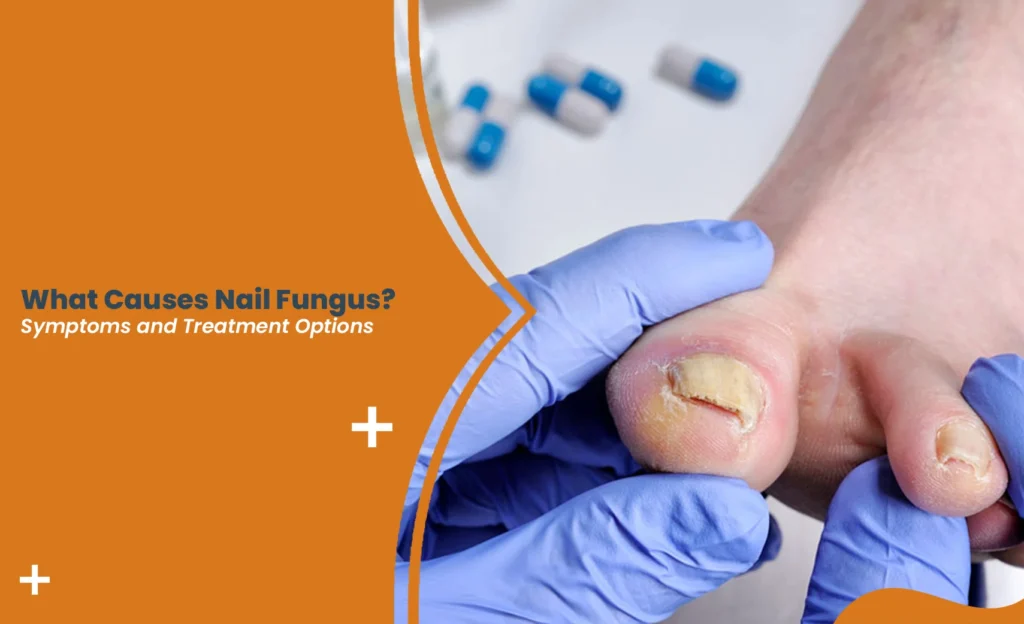
It usually starts small, a faint yellow tinge at the edge of a toenail that seems easy enough to ignore. Weeks later, the nail looks thicker, duller, and stubbornly resistant to every home fix you try. Nail fungus is one of those conditions that quietly worsens the longer it is left alone, yet most people wait far too long before seeking real treatment. You have to learn what causes onychomycosis, how to recognize it early, and which treatments genuinely work to save your nails from months of frustration.
The Fungus Among Us: What’s Really Going On
The fungal nail infection causes dermatophytes. Nail fungus, medically known as onychomycosis, is an infection caused by microscopic fungal organisms that invade the nail bed, the nail plate, or both. Once inside, the fungus feeds on keratin, the protein that makes up the nail itself, and slowly spreads as it multiplies, which is why an infection that starts at one edge of the nail often creeps inward and toward the cuticle over time.
Toenails vs Fingernails: Why One Suffers More
A striking pattern shows up when comparing toenail fungus vs fingernail fungus: toenails are affected far more often. This comes down to circulation and environment. Toes typically have slower blood flow than fingers, giving the immune system less direct access to fight off an infection once it starts. Shoes also create the dark, humid, poorly ventilated conditions fungi love, while fingernails are exposed to open air, frequent washing, and sunlight far more often.
Fingernail infections do happen, particularly in people who frequently have their hands in water, use artificial nails, or have a compromised immune system, but they tend to progress more slowly and respond to treatment a bit more readily than their stubborn toenail counterparts.

Spotting the Early Warning Signs
People need to recognize the signs of a nail fungal infection early, which can make treatment considerably easier. The earliest onychomycosis symptoms usually include a small white or yellow spot appearing under the tip of the nail, subtle discoloration, or a slight change in texture that is easy to dismiss as nothing more than a stain from nail polish or a knock against furniture. Some people also experience mild pain or discomfort, particularly when the thickened nail presses against the inside of a shoe. Because these symptoms build gradually, many people don’t seek treatment until the infection has advanced significantly, which is exactly why early recognition matters so much.
Yes, It Spreads: How Contagious Is Nail Fungus Really?
A question that comes up constantly is, are fungal nails contagious, and the honest answer is yes. The fungus can spread through direct contact with an infected nail, contaminated nail clippers or files, or by walking barefoot in damp communal areas such as locker rooms, public showers, and swimming pool decks. It can also spread from one nail to another on the same person or move from a case of athlete’s foot on the skin directly into a neighboring toenail.
This contagious nature is a big reason nail fungus tends to run in households and among people who frequent gyms or nail salons with poor hygiene practices. Avoiding shared nail tools, wearing sandals in public wet areas, and keeping feet dry are simple but genuinely effective ways to lower your risk of catching it from someone else.
Why People with Diabetes Need to Pay Closer Attention
The connection between nail fungus and diabetes deserves special attention, since this population faces a notably higher risk. Diabetes can reduce circulation to the extremities and often comes with a somewhat weakened immune response, both of which make it easier for a fungal infection to take hold and harder for the body to clear it on its own. Nerve damage associated with diabetes can also mean that minor nail changes go unnoticed for longer, allowing the infection to progress before it’s caught. Anyone with diabetes noticing early signs of a nail fungal infection should involve their doctor sooner rather than waiting to see if it resolves on its own.
Trying Home Remedies: What Actually Helps
Many people start with home remedies for toenail fungus before moving on to medical treatment, and some of these habits genuinely support recovery even if they can’t cure an established infection alone. Soaking feet in diluted vinegar and applying tea tree oil have some anecdotal and limited scientific support for mild cases, though results are inconsistent and slow.
For a genuinely established infection, home care alone rarely eliminates the fungus completely, since it has usually settled beneath the nail plate where topical remedies struggle to reach. Home remedies work best as supportive habits alongside real antifungal treatment, not as a standalone cure for anything beyond the very earliest, mildest changes.
From the Pharmacy Shelf: Where OTC Treatment Fits In
For very mild, early-stage infections, an over the counter treatment for nail fungus containing ingredients like undecylenic acid or clotrimazole can sometimes slow progression, particularly when paired with diligent foot hygiene. The antifungal cream for nail infections is recommended to treat. Infected people apply the surrounding skin of the infected areas. This helps to prevent the fungus from spreading to more areas in the body. Nail tissue is dense. These creams face challenges to penetrate sufficiently into each area of infection. OTC treatment is suitable for surface-level treatment, not for deer areas.
When It’s Time for Real, Lasting Treatment
Canditz 200 mg Capsule is used to treat fungal infections of the skin, nails, mouth, throat, and lungs. It is also used to help prevent fungal infections in people with weakened immunity. This often recommended using a pulse-dosing schedule, meaning it’s taken for a set period followed by a break, then repeated for one or more additional cycles depending on whether toenails or fingernails are affected, since toenails generally require a longer course due to slower nail growth. This is the best nail fungus treatment. Because a healthy-looking nail takes months to fully grow out even after the fungus is cleared, patience is essential, and visible improvement is often not obvious until well after the treatment course has ended.
As with any oral antifungal, a healthcare provider should confirm the diagnosis, often through a nail sample test, before starting treatment and may check liver function during longer courses since itraconazole is processed by the liver. Common side effects include mild stomach upset, headache, or rash, and it should not be combined with certain other medications without medical guidance.
Summing Up
Nail fungus is stubborn, common, and far more manageable when caught early rather than left to spread. People think about how to get rid of toenail fungus. Recognizing the first signs, understanding your personal risk factors, and choosing the right level of treatment, whether that’s diligent home care for a minor cosmetic change or a full course of Canditz 200 mg Capsules for a deeper infection, gives you the best chance at clear, healthy nails again. Disinfecting shoes, replacing old, fungus-harboring footwear, keeping nails trimmed short and dry, and avoiding nail polish during treatment, since it can trap moisture, all support a full recovery. Patience matters most of all, since even successful treatment takes months to show a fully clear, healthy-looking nail.
FAQs
1. What is onychomycosis?
This is one type of fungal infection. This affects your toenails or fingernails. This is also known as onychomycosis.
2. What are the symptoms of nail fungus?
The nails crack or look crumbly or flaky. The color of the nail has changed. The shape of the nail changes after getting infections. These look thicker or misshapen.
3. How does Canditz 200 mg Capsule work?
This medication contains itraconazole. This is an antifungal drug. It works by stopping the growth of the fungi responsible for the infection.
4. What are the causes of nail infections?
Dermatophytes, yeasts, and molds are the causes of nail infections. Moreover, a weaker immunity system, family history, and moisture areas are also responsible for nail infections.
5. How serious is a onychomycosis?
This is not a serious infection. But this creates discomfort, pain, and the risk of spreading the infarction.