
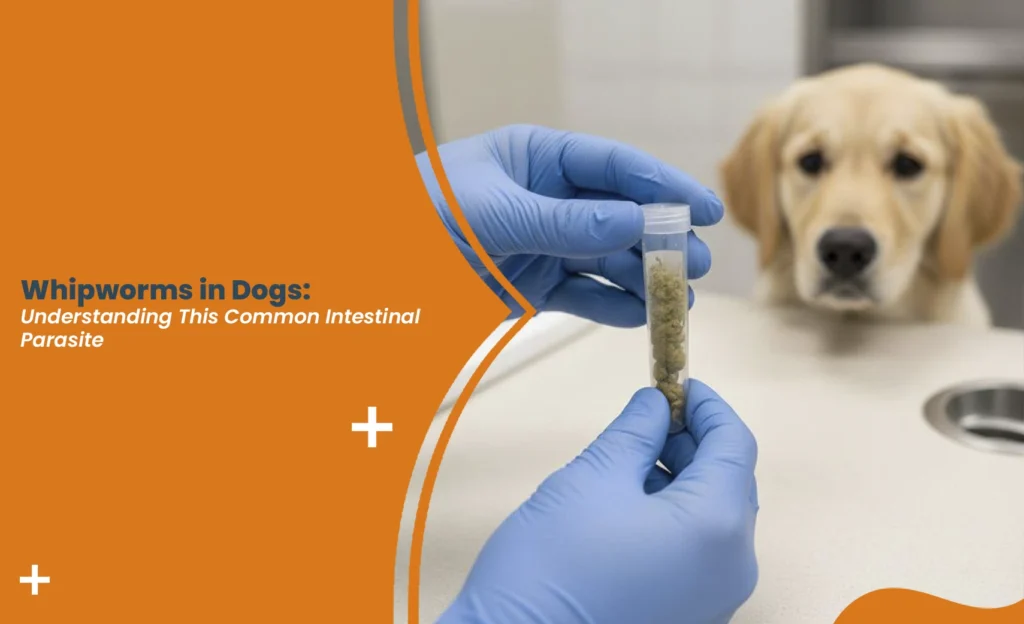
If your dog has had unexplained diarrhea, lost weight, or is fatigued and unwell, the cause may be unknown, but it can be something as simple as whipworms in dogs. They’re parasites that look rather like threads and are one of the most common and hard-to-detect causes of chronic stomach problems in dogs, as their eggs can persist in the soil for years and the signs and symptoms of infection can be mistaken for more evident stomach problems. About 0.4% (1 in 250 dogs) test positive for whipworms, according to U.S. surveillance data. Whether your dog spends most of his time in the backyard or indoors, it is essential that you understand how this parasite is transmitted, what signs to look for, and how a treatment such as Fenbendazole 150 mg can help you rid your dog of a parasite infection.
The Sneaky Invader Living in Your Dog’s Gut
The parasite that causes whipworm infection in dogs is called Trichuris vulpis, due to its distinctive whip-like shape, thick end, and long tail that is embedded in the lining of the large intestine and cecum. Symptoms of whipworms in dogs can develop slowly and quietly. Dogs may be infected with it for several months without symptoms, but the parasite still inflicts irritation and damage on the intestinal wall. The slow-burning nature of whipworms in dogs makes them one of the least commonly diagnosed parasites in dogs. They are only recognized when a veterinarian orders a specific fecal test.
Whipworm Transmission In Dogs: How Dogs Pick Up This Unwelcome Guest
To understand the transmission of whipworms in dogs, it is important to know about the life cycle of the parasite. Dogs with the infection pass the whipworm eggs in their feces, and the eggs spread into surrounding soil. This is the reason that the link between soil contamination and dogs is so important for prevention. The eggs are extremely hardy and can remain infective in soil for up to 5 years, so if a dog sniffs, licks, or walks through a place where an infected animal defecated months or years before, they can pick up an infection. Contaminated soil and dogs are correlated. Zones of extreme risk include dog parks, shared yards, kennels, and areas where there has been a history of traffic. After being swallowed, the eggs hatch in the small intestine, and the larvae travel to the large intestine, where the worms grow to adulthood in approximately eleven weeks.
Spotting the Warning Signs Early
It’s important to catch signs of whipworms in dogs early, as this can help them recover faster and more thoroughly. The most frequent symptom is chronic diarrhea in dogs, which can be watery, mucoid, or mixed with fresh blood from the irritation and bleeding caused by the worms along the intestinal lining. Owners also often complain of weight loss despite a normal appetite, dull coat, and quietness. With more severe infections, dogs can become anemic from whipworms as the parasites feed on blood and tissue fluid from the gut wall, causing palpitations and paleness of the gums, weakness, and a loss of stamina. Dogs may also become dehydrated from persistent diarrhea, especially puppies, older dogs, or small breeds with fewer physiological reserves to cope with fluid loss. Any combination of these symptoms should not be ignored, and a veterinary visit with a fecal examination is advisable.
Why Whipworms in Dogs Are Tricky to Diagnose
Unfortunately, one of the things that is difficult to do when it comes to dog intestinal parasites problem, such as to find them with just one stool sample. Dehydration in dogs is challenging to treat. The intermittent shedding pattern means that a dog may test negative one time and positive another, even if it is infected with whipsnakes. When a veterinarian suspects the presence of whipworms in dogs, even though the initial fecal examination is negative, repeat testing is often recommended, sometimes with the use of special flotation techniques. Another diagnostic trick is the fact that whipworms can remain unnoticed in dogs for quite a while before the symptoms become more severe and the burden of whips becomes greater over time.
Fenbendazole: A Reliable Path to Recovery
When diagnosed, treatment for whipworms in dogs generally focuses on the use of a good deworming medication. Fenbendazole 150 mg has proved to be one of the most trusted dewormers used by vets. The broad-spectrum dewormer acts as an inhibitor of the cellular energy metabolism of the parasite, essentially attacking the worm’s cell machinery and starving the worms and disrupting their ability to survive and reproduce in the intestinal tract. Whipworm eggs can remain infective for several weeks after the adult worms have been killed or treated, so retreatment is typically advised several weeks after the first treatment to ensure that the eggs hatch a second time, allowing for the full eradication of the worms. It’s important to follow the veterinarian’s recommended dosage to ensure that the dog is not reinfected or not thoroughly treated, as one of the most frequent causes of reinfection or inadequate treatment is stopping therapy too early.
In addition to medication, supportive therapy, including fluid therapy and possibly changes in diet, may be necessary to help improve the dog’s strength (if the dog is dehydrated or has anemia caused by whipworms and to allow the lining of the intestine to heal in more severe cases). Most dogs do very well with Fenbendazole 150 mg and are likely to noticeably improve within a few weeks of the course of treatment. Energy, stool consistency, and appetite will improve in most cases, like whipworms in dogs.
Breaking the Cycle: Prevention That Actually Works
Whipworm treatment and control must be more than just treating an active infection since the eggs are so hardy in the environment. Immediate and frequent collection and disposal of dog waste from yards and communal outdoor areas greatly helps lower environmental contamination. Finally, if possible, rotate dogs’ outdoor space and steer clear of known high-traffic and previously contaminated dogs and their activity areas to reduce reinfection. Routine, scheduled deworming is recommended for dogs who have increased exposure risk due to living in multi-dog households, being kept in facilities, or visiting parks because these areas have an increased exposure risk when it comes to parasites. Even if your dog doesn’t show signs of illness, having fecal testing done once or twice a year can help detect low levels of infection and prevent it from getting worse.
Summing Up
Whipworms in dogs are more common in tropical and subtropical regions. While one of the more elusive of the parasites, most dogs will recover fully with consistent veterinary care, timely testing, and a proven treatment such as Fenbendazole 150 mg to ensure they live happy, healthy lives. You should know about the early signs of the disease. You should also know how to prevent infection of your dog through contaminated environments, and putting in place a reliable deworming plan is your best weapon in fighting this stubborn invader of the gut.
Frequently Asked Questions
1. How do you identify Whipworms in dogs?
Dogs are usually infected with whipworms when they eat the eggs from contaminated soil, usually when sniffing, licking, or walking through areas where an infected dog has already defecated. These eggs are able to live in soil for many years, so even dogs in seemingly clean areas can become infected.
2. Which is the first symptom of a whipworm infestation in dogs?
Symptoms are occasional diarrhea, some weight loss, and less energy. As the infection develops, symptoms may worsen and include persistent diarrhea, bloody or mucous stools, and overall fatigue.
3. Why do dogs test negative for whipworms even though the vet suspects them?
The female whipworms are irregular egg passers; thus, a single fecal examination might be negative. Repeat testing may be done at intervals of several weeks if whipworms are a clinical suspicion.
4) What is the role of Fenbendazole 150 mg to treat whipworms?
Fenbendazole 150 mg is used to inhibit the energy metabolism of the parasites that prevents their survival and reproduction. Whipworms in dogs are treated with a second dose several weeks after the initial dose to kill newly matured worms and prevent re-infection.
5. Can whipworms in dogs be cured completely?
It depends. The reason is that whipworm eggs are highly resistant in soil. You should clean up the yard properly and avoid contaminated areas.