
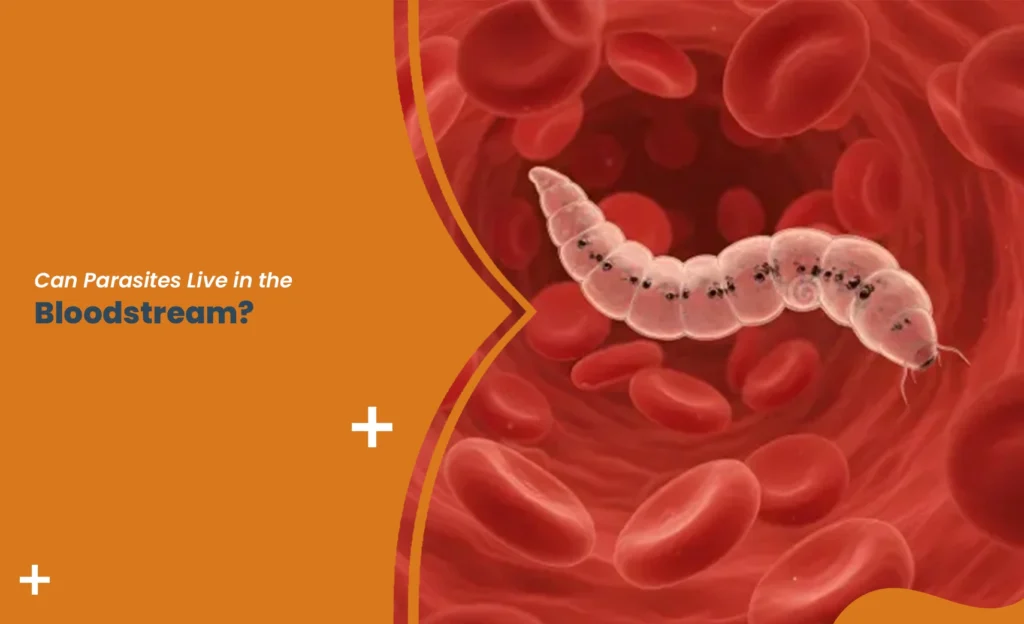
It’s a strange, slightly shivering thought, isn’t it? The idea that something could be hitching a ride in the very fluid that keeps you alive. We’re used to thinking about parasites as “external” problems-the tick you find after a hike in the Cotswolds or the stomach bug you picked up from a questionable street taco in Mexico City. But the bloodstream? That feels like a breach of the most private sanctuary we have.
I remember sitting in a lecture hall years ago, listening to a parasitologist describe the human body as a “highway system.” He wasn’t talking about nerves or oxygen; he was talking about the ways microscopic organisms use our veins like the M1 or I-95. They don’t just sit there. They travel. They navigate. And sometimes, they set up shop in the most high-traffic areas imaginable.
So, to answer the big, looming question: Yes. Parasites can, and do, live in the bloodstream. But it’s rarely as simple-or as terrifying-as a horror movie would have you believe. It’s more of a complex, biological chess match between your immune system and an uninvited guest that’s trying very hard to stay invisible.
The Invisible Travelers
When we talk about blood-borne parasites, we aren’t talking about giant worms wriggling through your heart (usually). We’re talking about protozoa-tiny, single-celled organisms-and the larval stages of certain helminths.
Malaria is the big one, obviously. It’s the world-famous blood traveler. But there are others that fly under the radar in the US and UK. Things like Babesia, which is often transmitted by the same ticks that carry Lyme disease, or Trypanosoma, which causes Chagas disease. These organisms have evolved specifically to survive the turbulent, high-pressure environment of your arteries.
It’s actually a feat of evolution, if you can step back from the “gross” factor for a second. To live in the blood, a parasite has to evade the spleen-which is basically a giant filter designed to catch them-and dodge the white blood cells that are constantly on patrol. Some do this by hiding inside your red blood cells, literally wearing your own biology as a camouflage jacket.
The Diagnostic Fog
One of the hardest parts about blood parasites is that they don’t always scream their presence. They whisper.
I’ve talked to people who spent months feeling “off”-fatigued, slightly feverish, maybe a bit of brain fog-only to be told it’s just stress or a lingering viral thing. But sometimes, it’s a biological squatter. Because these organisms can be cyclical, they might show up in a blood smear one day and be gone the next, hiding in the liver or deep tissue.
In some parts of the world, where lymphatic filariasis (a condition caused by microscopic worms in the blood and lymph) is more common, doctors have to be incredibly decisive. When a diagnosis is confirmed, you aren’t looking for a “cleanse” or a lifestyle change. You need something that hits the parasite’s nervous system hard. That’s often where Ivermectol 12mg comes into the picture. It’s a heavy-hitter in the world of anti-parasitics. It doesn’t just ask them to move along; it paralyzes them so the body can finally flush them out.
The Tick Connection (A Personal Aside)
A few summers ago, I found a tick embedded in my ankle after a weekend in upstate New York. I did the whole “tweezers and rubbing alcohol” dance, but for weeks afterward, I was convinced I could feel my blood “moving” differently. It was purely psychosomatic, of course-the brain is a powerful storyteller-but it made me realize how little we respect the boundary between the outside world and our inner plumbing.
Ticks are essentially dirty needles. They don’t just take blood; they swap fluids. And while we worry about Lyme, we often forget about things like Babesiosis. These parasites literally invade your red blood cells and multiply until the cell bursts. It sounds violent because, at a microscopic level, it is.
When a case is particularly stubborn or involves these types of systemic invaders, medical professionals often look toward established protocols. Using Ivermectol 12mg has become a cornerstone in many of these treatments worldwide. It’s fascinating how a single tablet can navigate the same “highway” as the parasite, seeking it out with chemical precision.
Why the Bloodstream?
You might wonder why a parasite would choose the blood. It’s a dangerous place to live. But the perks are undeniable: it’s a 24/7 buffet of glucose, oxygen, and nutrients. Plus, it’s the ultimate transport system. If you’re a parasite wanting to move from the skin to the lungs or the brain, the bloodstream is the fastest way to get there.
The “microfilariae”-essentially baby worms-of certain species actually wait for nighttime to enter the peripheral bloodstream. Why? Because that’s when mosquitoes are most likely to bite. They literally time their commute to coincide with their next ride’s arrival. It’s brilliantly sinister.
When doctors deal with these migrating populations, the timing of the medication is everything. A dose of Ivermectol 12mg might be timed specifically to catch the parasites when they are most active in the blood. It’s not just about what you take; it’s about when the “chemical ambush” happens.
The Global Reality vs. The Local Perception
For those of us in the UK or the US, blood parasites often feel like “over there” problems. We think of them as tropical diseases. But with global travel and shifting climates, those lines are blurring.
Chagas disease, once confined to South and Central America, is now being diagnosed more frequently in the southern United States. And as someone who writes about health, I’ve noticed a shift in how we talk about these things. We’re becoming more aware that our “sterile” Western lives aren’t as disconnected from the global biome as we thought.
In many international health clinics, Ivermectol 12mg is kept in high supply. It’s considered an “essential medicine” by the WHO for a reason. It’s one of the few tools we have that can effectively clear a wide range of these systemic invaders without being overly toxic to the human host. It’s a delicate balance: you want to kill the guest without burning down the house.
The “Worm” in the Room
Let’s address the elephant in the room. In the last few years, certain anti parasitic medications have become… politically charged. It’s a weird time to be a health journalist when a drug that has won Nobel Prizes and saved millions from blindness and disfigurement becomes a “controversial” talking point on social media.
But if we strip away the memes and the noise, the science remains. Medications like Ivermectol 12mg are designed to target the glutamate-gated chloride channels in invertebrates. Humans don’t have those in the same way, which is why the drug can paralyze a worm or a protozoan while leaving your own cells relatively unscathed. It’s a masterclass in targeted biochemistry.
I’ve seen patients who were terrified of taking a “strong” medication like Ivermectol 12mg, but when you’re facing a systemic parasitic load, the alternative-letting those organisms continue to reproduce and clog your lymphatic system or destroy your red blood cells-is much, much worse.
Symptoms That Mimic Everything
The trickiest part about blood-borne parasites is the “chameleon” nature of the symptoms.
- Anemia: Because many of them eat or destroy red blood cells.
- Splenomegaly: A fancy word for an enlarged spleen, because your filter is overworked.
- Joint Pain: Often caused by the immune system’s inflammatory response to the parasite’s waste products.
It’s easy to see why these things get missed. Who hasn’t felt tired and achy? But if you’ve traveled recently, or if you live in an area with a high tick population, it’s a conversation worth having with a doctor who actually listens.
I’m a firm believer in the “gut feeling”-no pun intended. If you feel like your fatigue is something more than just “getting older,” keep pushing. Sometimes the answer is as simple as a specific blood test and a targeted course of Ivermectol 12mg to clear the deck.
The Emotional Weight of a Diagnosis
There’s a stigma, isn’t there? Telling someone you have a “blood parasite” feels different than saying you have the flu. It feels invasive. People look at you like you’re suddenly a character in a sci-fi movie.
I remember interviewing a woman who had contracted a parasitic infection during a volunteer trip abroad. She told me the hardest part wasn’t the fever or the medication-it was the feeling of being “unclean.” We need to get past that. Parasites are just biological opportunists. They don’t care about your hygiene or your social status; they just see a warm environment with a good food supply.
When she started her treatment, which included Ivermectol 12mg, she said she felt a weird sense of relief. Finally, the “ghost” in her system had a name, and more importantly, it had a predator.
Resilience and Recovery
The good news? Humans are incredibly resilient. Once the parasite is removed-once that Ivermectol 12mg does its work and the debris is cleared-the body’s ability to regenerate is nothing short of miraculous. Your bone marrow cranks out fresh red blood cells, your spleen shrinks back to its normal size, and the “fog” usually lifts.
But we have to be smart. We have to understand that as the world gets smaller, our exposure to these invisible travelers grows. It’s not about living in fear; it’s about being informed. It’s about knowing that if a “hitchhiker” does manage to get into your bloodstream, we have the tools to handle it.
We aren’t just passive victims of our enviro]nment. We’re part of a complex, sometimes messy biological world. And sometimes, that means needing a little chemical help to keep our internal highways clear.
A Final Thought from the Desk
I’m sitting here finishing my third cup of coffee, looking at a map of the world, and I’m struck by how interconnected we are. The same blood that pumps through my heart is, in a different part of the world, being treated for things I can barely pronounce.
Whether it’s a preventive measure or a necessary intervention with Ivermectol 12mg, the goal is the same: to keep the sanctuary of our bodies intact. Don’t be afraid to ask the weird questions. Don’t be afraid to demand a blood smear if something feels wrong.
And for heaven’s sake, wear your bug spray. It’s a lot easier to keep the door locked than it is to evict a squatter who’s already made themselves at home in your veins.
The more we know about what lives inside us, the less power it has to scare us. It’s just biology-messy, weird, fascinating biology.
FAQs
1. If something is in my blood, wouldn’t I feel it moving?
This is probably the biggest fear people have, and it makes total sense-our brains are wired to notice a fly on our arm, so why wouldn’t we notice a guest in our veins? The truth is, these organisms are almost always microscopic. You won’t feel a “crawling” sensation in your arteries. Instead, you feel the aftermath: a deep, heavy exhaustion, a fever that comes and goes like a ghost, or just a general sense that your “battery” won’t charge. It’s a systemic hum, not a physical wiggle.
2. How on earth does a doctor even find a parasite in the blood?
It’s a bit like looking for a specific needle in a moving haystack. They usually use a “blood smear,” where a technician looks at a drop of your blood under a microscope to see if any cells look “hijacked.” Sometimes, they use PCR tests to find the parasite’s DNA. It can be frustrating because if the parasite is hiding in your liver that day, the test might come back clean. If you suspect something, don’t be afraid to ask for a “thick and thin smear”-it gives the lab a better chance of catching the culprit in the act.
3. I’ve heard Ivermectol 12mg mentioned for this-is it safe for my blood cells?
It’s a valid worry. You don’t want the “cure” to be harder on your blood than the parasite is. The cool thing about Ivermectol 12mg is that it’s designed to be a “smart” strike. It targets specific glutamate-gated channels that parasites have, which humans simply don’t. It’s like a key that only fits their locks. While any medication has side effects (usually just some dizziness or a bit of a stomach grumble), Ivermectol 12mg is widely used because it can clear the “intruders” while letting your red blood cells go about their business unharmed.
4. Can I catch a blood parasite just by shaking hands or sharing a drink?
Thankfully, no. Blood-borne parasites aren’t like the flu; they don’t travel through coughs or casual contact. They almost always need a “vector”-a middleman like a mosquito, a tick, or a reduviid bug-to physically inject them into your bloodstream. Or, in much rarer cases, through a blood transfusion. So, you can breathe easy at your next dinner party; your friend’s “traveler’s bug” isn’t going to jump across the table into your wine glass.
5. If I finish a course of Ivermectol 12mg, am I “immune” forever?
I wish I had better news here, but no. Taking Ivermectol 12mg is like hiring a security guard to clear out a trespasser; once the guard leaves, the door is technically open again if you get bitten by another infected insect. It doesn’t work like a vaccine that “teaches” your blood how to fight them off for years. That’s why prevention-like using nets and repellent-is still the real MVP, even after you’ve successfully cleared an infection.