
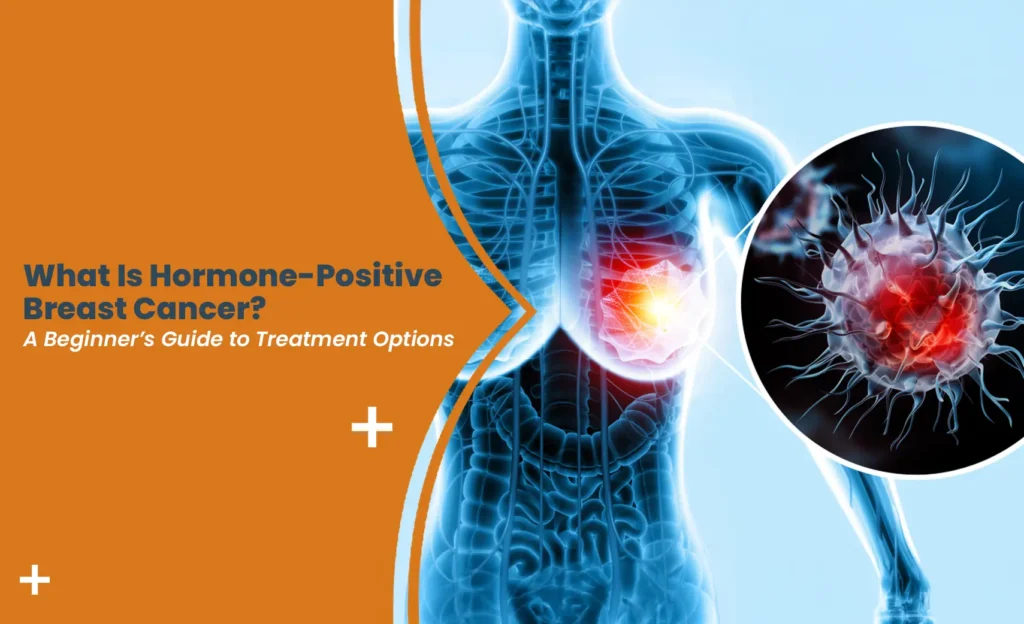
A breast cancer diagnosis brings this whole flood of new vocabulary, and honestly, few terms confuse people like “hormone-positive.” If your pathology report has those words, the situation can be more hopeful than you might first think. This blog talks through hormone-positive breast cancer in a more everyday way, from why it happens and what signs to watch for to the treatment options and outlook, so you can walk into your next appointment feeling more informed and a bit steadier.
What Is Hormone-Positive Breast Cancer?
If you’re wondering “what is hormone-positive breast cancer?” the short version is this: it’s a breast cancer where the tumor cells have receptors that “grab onto” hormones like estrogen, progesterone, or sometimes both. Picture those receptors as tiny docking stations sitting on the cell surface. When estrogen, or progesterone, docks there, it basically sends a message that tells the cell to grow and keep dividing. In hormone-positive breast cancer, that message is what helps the tumor keep going.
Hormone-positive breast cancer means healthcare providers can try to stop that fuel supply. You might see it written as estrogen receptor positive, progesterone receptor positive, or hormone receptor positive, also called HR-positive. Hormone-positive breast cancer tends to be the most common type of breast cancer, making up about two out of every three cases. Receptor status isn’t guessed. It’s confirmed through a biopsy, where tissue is tested and reported as to whether those receptors are present.
Hormone-Positive Breast Cancer Causes
Researchers still do not know the exact trigger for every single case, but hormone positive breast cancer causes are strongly connected to how long and how much estrogen the body is exposed to over time. Things like starting menstrual periods early, going through menopause late, not having children, or having a first pregnancy later in life can stretch out lifetime estrogen exposure and can nudge risk higher. After-menopause combined hormone therapy, extra body weight after menopause, and regular alcohol use are also linked with higher risk.
Hormone-Positive Breast Cancer Symptoms
HR-positive breast cancer symptoms are basically the same as other breast cancers, and that’s a big reason receptor status can’t be determined just by looks or by how it feels. The most common sign is a new lump, or a thickened area, in the breast or even under the arm. Other warning signs include changes in size or shape, skin dimpling or puckering, redness or scaling, a nipple that starts turning inward, or nipple discharge that shows up without squeezing.
A lot of early cases cause no symptoms, and they’re found during routine screening mammograms, which is one of the best reasons to keep up with those appointments. If you notice a change that sticks around more than a couple of weeks, contact your healthcare providers. Most breast changes end up being benign, but only an evaluation can tell you for sure.
Hormone Receptor Positive vs Negative Breast Cancer
Getting hormone receptor positive vs negative breast cancer straight can explain why treatment plans vary so much from person to person. Hormone receptor negative tumors don’t respond to estrogen or progesterone, so blocking those hormones doesn’t help much at all. Hormone-positive breast cancer, including triple-negative disease, is usually treated with chemotherapy and sometimes immunotherapy or targeted drugs instead of hormone-blocking medication.
Hormone receptor positive tumors typically grow more slowly and usually respond well to endocrine therapy, which is meant to lower estrogen levels or block estrogen’s effects. That gives people with HR-positive disease an extra tool, one that’s often well tolerated, and receptor-negative patients don’t have in the same way. One downside is that hormone-positive cancers can sometimes come back years later, which is why treatment and follow-up often last longer.
Hormone-Positive Breast Cancer Treatment
Hormone-positive breast cancer treatment depends on stage, tumor grade, whether you’re menopausal, and your overall health status. Most people begin with surgery, which might be a lumpectomy or a mastectomy, and that’s often followed by radiation.
Genomic tests, like Oncotype DX, can help estimate whether chemotherapy would add meaningful benefit. In many people with early-stage HR-positive disease, chemo can be safely skipped.
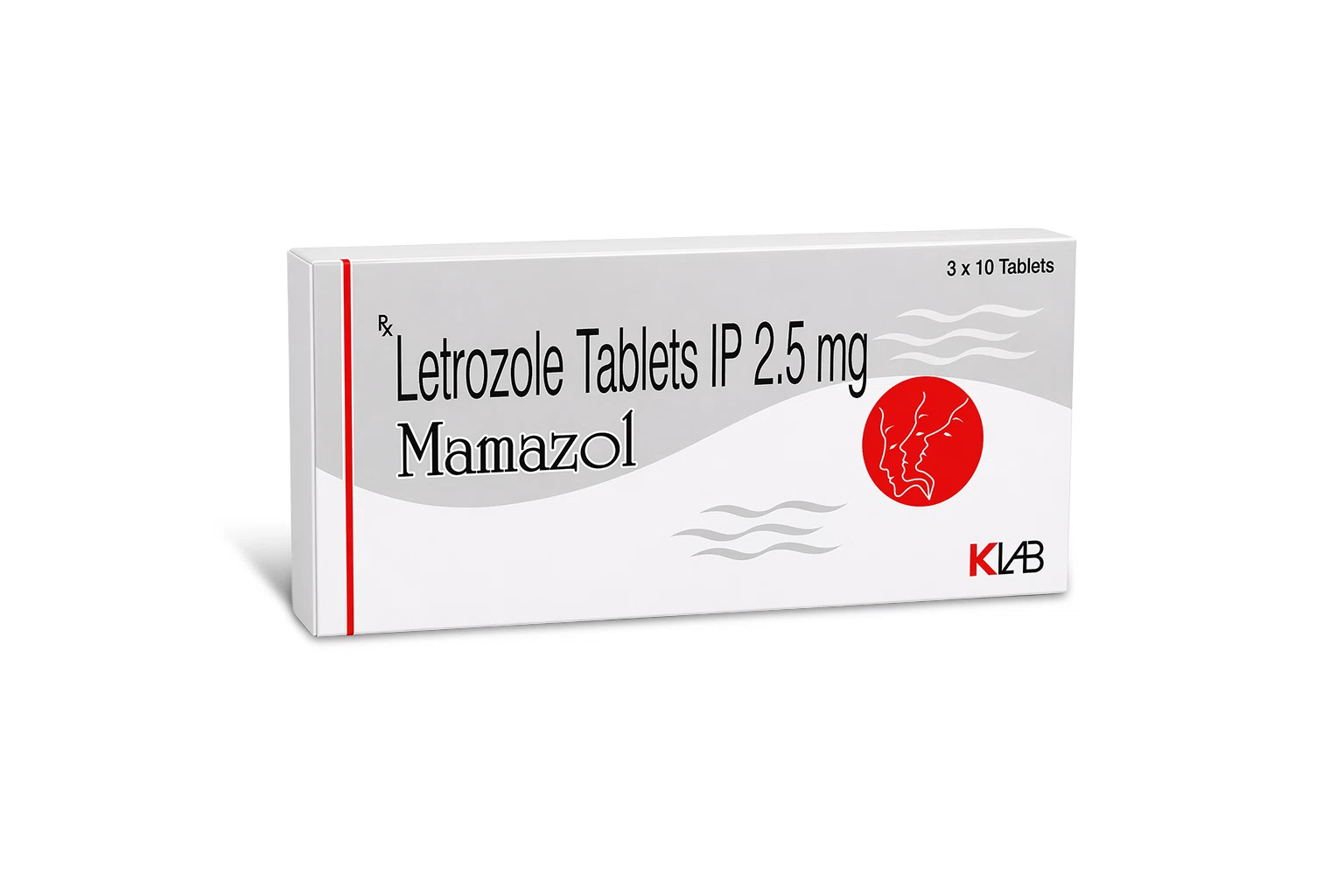
The mainstay of hormone positive breast cancer treatment is endocrine therapy, and it’s often taken for something like five to ten years. So, how is estrogen receptor positive breast cancer treated with medication? Tamoxifen blocks estrogen from attaching to the cancer cells, and it can be used in premenopause or after menopause. Aromatase inhibitors, including letrozole, anastrozole, and exemestane, reduce how much estrogen the body makes after menopause. If someone is premenopausal, ovarian suppression may also be used, basically shutting down estrogen production from the ovaries.
For more advanced disease, healthcare providers sometimes pair endocrine therapy with targeted drugs called CDK4/6 inhibitors to slow the cancer growth more effectively and keep it controlled.
A Solution for ER-Positive Breast Cancer Treatment
Among the most recommended options for ER-positive breast cancer treatment is Femara 2.5 mg, which is the brand name for letrozole. Femara is an aromatase inhibitor; it basically shuts down the enzyme that normally turns other hormones into estrogen, especially in postmenopausal women. When estrogen drops, hormone driven cancer cells lose that “go ahead” signal they need to grow.
The usual dose is one 2.5 mg tablet taken once every day. Many healthcare providers recommend it after surgery to reduce the chance of recurrence, after the usual stretch of five years of tamoxifen, to keep protection going longer. It also shows up as a first-line option for advanced or metastatic disease in postmenopausal women. At home, since it’s taken by mouth, it usually blends into day-to-day routines without too much fuss.
Like any medication, Femara can cause side effects; no surprises there. Common ones are hot flashes, joint and muscle aches, fatigue, and thinning of the bones. Because of that, healthcare providers may suggest bone density scans, calcium, vitamin D, and weight-bearing exercise to keep the skeleton stronger. Femara is a pharmaceutical medication; it needs your oncologist to start it and monitor it. They’ll decide if it fits you, based on menopausal status and your cancer profile. Don’t start it, stop it, or change the dose by yourself.
Is Hormone-Positive Breast Cancer Curable?
This is the part most people hesitate to ask, so here’s the straight answer, with no fluff. Is hormone positive breast cancer curable? If it’s caught early, limited to the breast or nearby lymph nodes, treatment is often aimed at a cure, and many people stay cancer-free for life. But when it spreads to distant organs, it’s typically not treated as curable. Still, it is very treatable, and many people live for years while maintaining a good quality of life with modern therapies.
Overall, the hormone receptor positive breast cancer prognosis is often favorable compared with other breast cancer types, especially when the disease is found early. Your outcomes depend on stage, tumor grade, age, and also how well you handle and stick with endocrine therapy. Taking endocrine therapy consistently, for the full recommended time, is one of the strongest actions you can take for long-term health protection.
Brief To Conclude
Hormone-positive breast cancer is common and generally well understood, and it’s among the more treatable forms of the disease. Knowing what it means, spotting symptoms, and understanding options like surgery, radiation, and endocrine therapy (like Femara 2.5 mg) can help you feel more in control when you’re making decisions with your care team. If your doctor prescribes endocrine therapy, you can find trusted prescription medicines online and order with a valid prescription. Ask questions, bring someone along to appointments, and remember: a hormone-positive diagnosis often comes with a pretty clear path forward, rather than a dead end.
FAQs
1. What does hormone positive breast cancer mean?
It is one type of breast cancer. In this case, cancer cells have tiny proteins. This type of cancer grows slowly.
2. Is hormone positive breast cancer curable?
Early-stage disease of hormone-positive breast cancer is often curable with surgery, radiation, and endocrine therapy. Advanced or metastatic disease is usually handled like a long-term condition instead of a permanent cure, though many people do well for years while receiving treatment.
3. What to avoid with hormone positive breast cancer?
You have to avoid consuming alcohol. You have to avoid processed foods, sugary foods/drinks, and high-carbohydrate products.
4. Does age play a role for hormone-positive breast cancer?
Yes, since most diagnoses happen after about 50. Family history and inherited gene changes, including BRCA2, can raise the odds as well.
5. Is diagnosis risky?
No, it is not risky. A diagnosis is not caused by something you did wrong.