
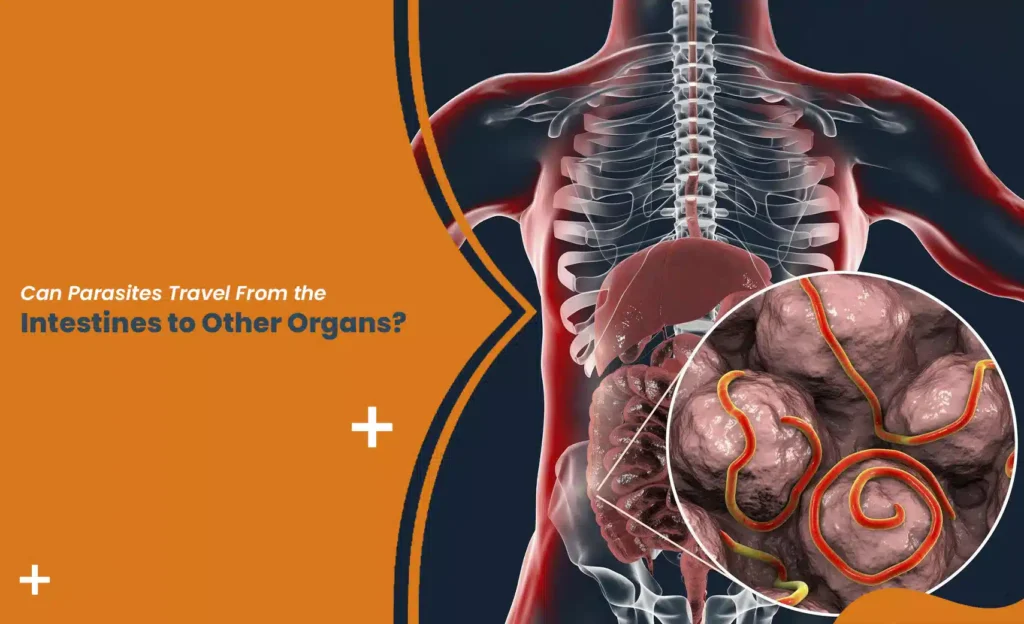
Most people picture a gut infection as a short-lived stomach upset that stays put. For many parasites, that is true. However, others are built to leave the gut and settle elsewhere. This blog is going to analyze how this happens and why some internal infections can not be cured and return into new forms. This blog is going to analyze how the infection spread from one organ to another organ.
When the Gut Is Only the Starting Line
Parasites live in their hosts’ bodies and connect glucose from their hosts’ bodies. As a result, parasites become nourished. Most people became infected by consuming undercooked meat, unwashed clothes, and using patients’ clothes or bedsheets. Some people become infected by consuming contaminated water. When they swallow, they arrive in the stomach and digestive system of human bodies. Because this area is warm, moist, and rich in nutrients.
Many infections that occur in the intestine are caused by parasites. They stay in a single area. For example, Giardia clings to the lining of the small intestine and causes bloating, greasy stools, and cramps without travelling further. But several species treat the intestine as a doorway rather than a destination, and that distinction shapes how serious an infection becomes.
The Great Escape: How Parasite Migration Happens
Parasite migration is a normal part of the life cycle for some species. Trophozoites, or larvae, penetrate the wall of the intestine, then they enter into small blood vessels or lymphatics. Thus, they spread other organs. Now you understand how parasitic infections spread from the digestive tract to distant sites.
A few well-known examples show the range of routes:
- Entamoeba histolytica can invade the bowel wall, travel through the portal vein, and form abscesses in the liver, causing amoebic liver disease.
- Roundworm (Ascaris) larvae hatch in the gut, pass through the bloodstream to the lungs, are coughed up and swallowed, and then mature in the intestine.
- Strongyloides larvae can penetrate the bowel wall and re-infect the same person, sometimes for decades.
- Taenia solium (pork tapeworm) eggs can hatch in the gut and send larvae into muscle, eyes, and brain, a condition called cysticercosis.
- Echinococcus larvae can form slow-growing cysts in the liver and lungs.
In each case, the parasite exploits the body’s own transport systems, which is why organ involvement can appear long after the original exposure.
Hitching a Ride Through the Blood
Once larvae reach the circulation, a bloodstream infection in the broadest sense becomes possible, even if the parasite is not multiplying in the blood itself. Passing through the circulation lets them lodge in capillary beds, where the vessels narrow and trap them. The liver is the most common destination because blood from the intestines drains directly into it. The lungs are the next checkpoint, since blood returning to the heart passes through them. From there, parasites may reach the brain, muscles, eyes, or skin.
Trouble Beyond the Belly: Tissue Damage and Complications
When parasites settle in organs, the problem shifts from irritation to tissue infection. The body mounts an inflammatory response, which can wall off the invader in a cyst or abscess. These structures protect the parasite but can press on surrounding tissue and impair function.
Possible infection complications include:
- Liver abscesses, with fever and right-sided abdominal pain
- Lung involvement, causing cough, wheeze, or chest discomfort
- Seizures, headaches, or vision changes when the brain or eyes are affected
- Intestinal blockage or bile duct obstruction from heavy worm loads
- Anemia and malnutrition from chronic blood loss or poor absorption
- Severe, widespread disease in people with weakened immunity
Because these parasitic diseases can mimic other illnesses, they are sometimes misdiagnosed for months. There needs to be a right infection diagnosis.
Reading the Warning Signs
Parasite symptoms depend on the species and where it has travelled. Gut-related signs include persistent diarrhea, abdominal pain, nausea, gas, weight loss, and fatigue. When the infection has moved on, symptoms may include:
- Unexplained fever lasting more than a week
- Pain under the right ribs
- A dry cough that does not clear
- Skin rashes, itching, or visible tracks under the skin
- Muscle aches or lumps beneath the skin
- Neurological changes such as seizures or confusion
- Persistently high levels of eosinophils, a type of white blood cell, on blood tests
Because many of these signs are vague, people often overlook the connection to an earlier stomach illness, especially if the exposure happened during travel months before.
Who Is Most at Risk?
Anyone can contaminate human infections of this kind, but certain groups face a higher chance of serious disease. People who travel frequently can be infected if they travel to contaminated areas or have weak immune systems. People who are suffering from HIV, cancer treatment, or long-term steroid use may be easily infected by any parasitic disease. People who live in areas with limited sanitation can be infected easily.
Finding the Culprit: How Healthcare Providers Investigate
Healthcare providers start to diagnose by identifying patients’ medical history, their travel areas, what they ate the last few weeks, and what symptoms and when these began. Tests may include:
- Stool examinations, often repeated on several days because parasites shed intermittently
- Blood tests, including antibody tests and eosinophil counts
- Imaging, such as ultrasound, CT, or MRI, to detect cysts or abscesses
- Endoscopy or biopsy when the cause is unclear
- Specialized molecular tests that detect parasite DNA
Getting the right test matters, since a single normal stool sample does not rule out infection.
Clearing the Invaders: Treatment Options
The good news is that most parasitic infections respond well to treatment. Treatment options depend on the organism and the location. The common antiparasitic medications are albendazole, ivermectin, praziquantel, metronidazole, and nitazoxanide. Brain involvement may require steroids and anticonvulsants alongside antiparasitic therapy. Always use these medicines under medical supervision, since the wrong drug or dose can be ineffective or even dangerous, and some treatments must be sequenced carefully.
Keeping Your Digestive System Safe
Prevention is simpler than cure. Wash your hands with soap after using the toilet and before meals. You need to drink boiled water or mineral water. You have to wash fruits and vegetables before cooking or eating. You should cook meat well. Avoid walking barefoot on contaminated soil, and keep pets dewormed. Periodic deworming is recommended in many regions, particularly for children.
To Conclude
Yes, parasites can travel from the intestines to other organs, but not all of them do, and most intestinal infections are curable when identified early. If you have persistent digestive complaints, unexplained fever, or unusual symptoms after travel or a known exposure, do not wait for them to fade. Prompt testing and the right treatment can stop an infection from spreading and prevent lasting damage.
FAQs
1. What are the symptoms of intestinal parasites?
The symptoms are diarrhea, abdominal pain, gas and gas pain, bloating, nausea and vomiting, and anal itching.
2. What are the signs that parasites are leaving your body?
The signs are fatigue and headaches. Your body also feels temporary digestive changes.
3. How long can parasites live in your intestines?
They live in your intestines from several weeks to years. This depends on types of parasites.
4. Can you live with a parasitic infection for years and not know?
Yes, you can. If your immune system is strong and symptoms are not visible in the body, then you can live with this infection.
5. What happens if you have a parasite for long time?
If you have a parasite for long time, then you may face various health complications, chronic illness, and organ damage.