
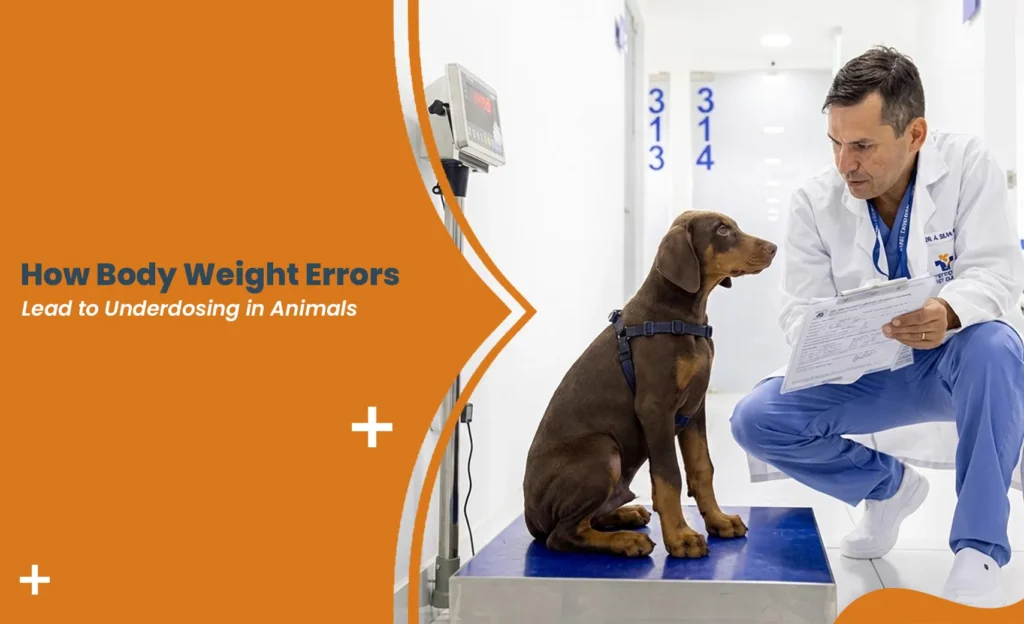
Have you ever tried to guess your dog’s weight just by looking at them? Yeah, me too. And honestly, I’m wrong almost every single time. That’s not just embarrassing when the vet asks, it actually matters. Like, a lot.
Because here’s the thing nobody tells you, being off by even a couple of pounds can mess up the dose of a medication. And not in a small way. We’re talking underdosing. Which sounds harmless, right? Like, oh, I gave less medicine, no big deal. But underdosing means the drug doesn’t do its job. Parasites don’t die. Infections linger. And sometimes the animal just… doesn’t get better, and you have no idea why.
I was reading about this the other day. A cat, maybe 8 pounds, but the owner thought she was 11. That’s a 30% error. For something like Wormentel 150 mg, which is already dosed pretty carefully for smaller animals, that kind of mistake means the cat gets maybe two-thirds of what she actually needs. And worms? They laugh at that.
But let me back up. Because weight errors happen in so many dumb ways.
Why guessing a pet’s weight is basically impossible.
Okay, so you think you know your pet. You pick them up every day. But humans are terrible at estimating weight. I’ve seen people swear their lab is 70 pounds, and he’s actually 85. Or a chihuahua that feels like 5 pounds, but the scale says 8. Fluff makes it worse. A fluffy cat can look huge but be tiny underneath. A short-haired dog might feel lean but have dense muscle.
And scales? Most homes don’t have a good pet scale. So you try to weigh yourself holding the animal, then subtract your weight. That works in theory. But bathroom scales are not that accurate, especially at lower weights. Plus, the animal wiggles. You step on and off three times and get three different numbers.
That’s how underdosing creeps in. You’re not being lazy. You’re just… wrong. And the animal pays for it.
The domino effect of a small weight mistake.
Here’s where my brain goes: underdosing doesn’t just mean the medicine fails once. It means the parasite load doesn’t clear. So you give another dose later, but now the timing is off. Or you switch drugs. Or you think the first drug didn’t work, so you blame the product, not the dose.
That’s dangerous. Because Wormentel 150 mg is a solid option when used right. But if you underdose it, those roundworms or hookworms keep hanging around. And in young animals, that’s not just annoying, it can cause anemia, poor growth, and even intestinal blockages.
I talked to a vet tech once who said the most common dosing error she sees is people using a dog’s breed standard weight instead of actually weighing the dog. Like, “Oh, he’s a beagle; beagles are 22 pounds.” No. Your Beagle might be 28. Or 18. That’s a huge swing.
And the thing is, most dewormers and other meds have a pretty narrow therapeutic range. Too little and you get resistance. Too much and you get toxicity. So weight errors cut both ways, but underdosing is sneakier because you don’t see immediate signs. The animal just stays sick.
How this plays out with deworming specifically.
Worms are tricky. They don’t always show up in poop right away. So you treat based on suspicion or a previous diagnosis. If you underdose, you might kill some worms but not all. The survivors breed. Now you have drug-resistant worms. Awesome.
For a product like Wormentel 150 mg, the dosing is typically based on milligrams per kilogram. Do the math wrong or use the wrong weight and you’re not hitting that target. I’ve seen people split a tablet based on “he looks like half a tablet.” That’s not dosing. That’s gambling.
And don’t get me started on liquid meds. You have to know the concentration and the weight. Errors multiply fast.
Real-world example that annoyed me.
My friend’s cat is a scruffy tom named Gus. He got dewormed twice but kept having loose stools. The vet finally did a fecal float still eggs. Why? Because they’d guessed his weight at 12 pounds. He was actually 9. So every dose was 25% too low. They switched to Wormentel 150 mg after actually weighing him on a proper scale, and boom, it cleared up in a week.
But here’s the part that bugs me: nobody caught it earlier. Not because they’re bad vets, but because everyone assumes the weight is correct. Owners bring pets in and say, “He’s about 10 pounds,” and the vet writes it down. No scale check. It happens all the time.
So the error starts with you, but it gets amplified by trust.
Why underdosing feels less scary than overdosing.
Here’s a weird mental thing. People worry more about giving too much. They think, “What if I hurt my pet?” So they err on the low side. That’s natural. But underdosing has its own risks that just take longer to show up.
You waste money on medicine that doesn’t work. You prolong the animal’s discomfort. You might even think the drug is faulty and ask for something stronger, which you then might also underdose. It’s a cycle.
And parasites are smart. The ones that survive a weak dose pass on their genes. Congratulations, you just helped create superworms. That’s not dramatic, that’s actual science.
So when you use Wormentel 150 mg or any dewormer, the right weight isn’t a suggestion. It’s the whole ballgame.
Quick messy list of common weight errors.
People use last year’s weight. Animals gain and lose. A dog that was 40 pounds in spring might be 45 in winter.
They wear a collar or harness. That adds ounces, sometimes pounds.
They round down because “she’s not that big.” Or round up out of fear.
They use a human scale that only does half-pound increments.
They forget that kittens and puppies grow fast, like, like weekly fast. So a dose calculated two weeks ago is already wrong.
I’ve done all of these. No judgment. But awareness helps.
What actually works.
Weigh the animal the same day you give the med. If you can’t, use a digital scale meant for pets or babies. If you absolutely have to guess, guess higher because underdosing is worse than a slight overdose for most dewormers. But that’s not a free pass. Go get a scale.
And for Wormentel 150 mg specifically, read the label every single time. Don’t assume the dose is the same as last time. Weight changes, formulation changes, and your memory changes.
Also, write it down. I know, annoying. But a little log of weight, dose, and date saves so much headache later.
One more thought that just hit me.
We talk a lot about antibiotics and pain meds when it comes to dosing errors. But dewormers are often treated like they’re low-stakes. “Oh, it’s just worms.” But underdosing worms is exactly how you end up with chronic infections and resistant parasites. And then you need stronger drugs, more vet visits, and more stress.
So yeah. Get the weight right. Use Wormentel 150 mg as directed. Don’t be like me eyeballing it that one time with my neighbor’s ferret.
FAQs.
- Can underdosing really make parasite treatment fail?
Yes. If the dose is too low, some parasites may survive and continue reproducing.
2. Should animals be weighed before every treatment?
Ideally yes. Especially growing or recently ill animals.
3. Is estimating weight ever okay?
Rough estimates can easily lead to inaccurate dosing, especially in larger animals.
4. Why do parasites come back after treatment sometimes?
It might be underdosing, reinfection or timing issues.
5. Does body weight change medication effectiveness?
Yes. Your weight can affect the distribution and function of a drug in your body.