
You know, it’s funny. You get a pet dog, cat, even a horse or a goat, and you think you’ve got the whole feeding and walking thing down. Then you find out about worms. And not just one kind. Like, a whole disgusting lineup of them. Roundworms, tapeworms, hookworms, whipworms, and heartworms. It’s almost like nature got bored and decided to create a parasite for every possible body part.
So yeah. Let’s talk about this mess.
So what even are these little invaders?
Roundworms are probably the most common. You see them in puppies and kittens a lot. They look kind of like spaghetti, if spaghetti were pale and wiggly and absolutely horrifying to find in vomit or poop. Identification is usually just… seeing them. With your eyes. Gross, right? Dogs get them from their mom’s milk or from eating dirt with eggs. Cats are the same deal.
The effect? Poor growth, a potbelly look in young animals, and sometimes a cough if the larvae migrate to the lungs. But here’s the thing, not every animal shows obvious signs. You might think your dog is fine, just a little lazy. Then, bam, worms.
Treatment challenges? Yeah, some roundworms are getting resistant to common dewormers. And people underdose because they guess the weight wrong. That’s a huge problem. You really need something reliable. That’s where Wormchrist 500 mg comes into the picture for certain cases. But I’ll get to that later.
Tapeworms – the rice grain nightmare.
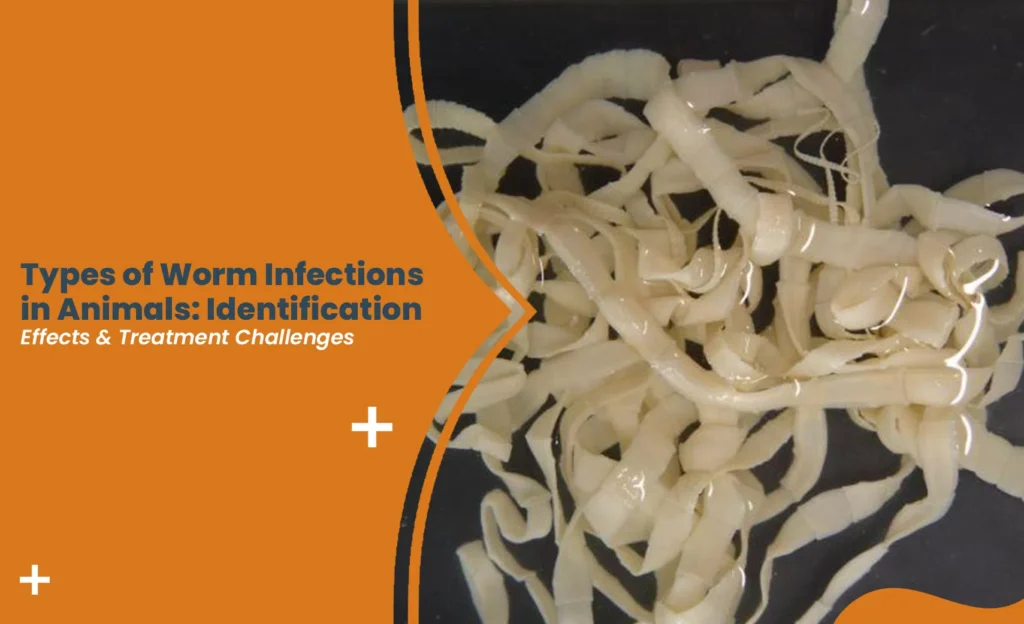
Okay, tapeworms are a whole different level of annoying. You won’t always see the whole worm, just little segments that look like grains of rice or sesame seeds stuck around your pet’s butt or in their bedding. They break off and crawl. Yeah, they move a bit. Freaky.
Dogs and cats get tapeworms from swallowing fleas. That’s right, the flea bites, the pet licks and swallows the flea, and boom, tapeworm party in the intestines. You treat the worm, but if you don’t kill the fleas, they’ll just get reinfected next week. That’s a treatment challenge people ignore all the time.
Also, tapeworm meds used to be tricky some only killed the segments, not the head. If the head stays attached, it grows back. So you need a proper dewormer. Wormchrist 500 mg is one of those medicine that actually works on tapeworms in many species, but you still have to break the flea cycle, or it’s pointless. I’ve seen people deworm their cat four times and wonder why nothing changes. Well, duh.
Hookworms – tiny but nasty.
These guys are small. Like, really small. You probably won’t see them in the stool without a microscope. But the effects? Huge. Hookworms latch onto the intestinal wall and suck blood. Anemia in puppies can cause severe pale gums, weakness, and bloody diarrhea. In older dogs, it might just be mild weight loss or dark, tarry poop.
Here’s the weird part. Hookworm larvae can burrow through skin. So if you walk barefoot where an infected dog has pooped, you can get a rash. Zoonotic, baby.
Treatment challenges? They’re stubborn. Some strains have resistance to older dewormers. And because they live in the environment for weeks, reinfection happens fast. You need repeated treatments. And good hygiene, picking up poop immediately, and cleaning kennels. But who actually does that perfectly? Not many.
I’ve had vets recommend Wormchrist 500 mg for severe hookworm cases because it covers a broad spectrum. But again, dosing is critical. You can’t just eyeball it.
Whipworms – the silent ones nobody talks about.
Whipworms are weird. They live in the large intestine, mainly in dogs. They’re called whipworms because they look like a little whip-thick on one end and thin on the other. Identification usually requires a fecal float test. You won’t see them crawling around in poop like roundworms.
The effects? Chronic diarrhea, weight loss, and sometimes bloody stool. But here’s the kicker: symptoms come and go. So your dog has diarrhea for a few days, then seems fine, and then it’s back a month later. People think it’s a food issue or stress. Meanwhile, whipworm eggs can survive in soil for five years. Five years! Good luck getting rid of them.
Treatment challenges? Huge. Most dewormers don’t kill the immature stages, so you have to retreat every few weeks for months. And even then, if your yard is contaminated, your dog will just pick them up again. Some people give up and just keep their dog on monthly prevention forever. That’s fine, but not everyone can afford it.
Wormchrist 500 mg, yeah, that’s a common name you’ll hear for whipworm treatment in livestock and some pets. But check the label. Not all formulations are for all animals.
Heartworms – the scary one.
Okay, heartworms are different. They don’t live in the gut. They live in the heart and blood vessels. Mosquitoes spread them. So any animal can get them dogs, cats, even ferrets. Wild canids, too.
Identification is tough because early on, there’s no sign. Later, a dog might cough, get tired easily, or pass out. By the time you see symptoms, it’s bad. Really bad.
Treatment? Expensive, risky, and painful for the dog. You have to kill adult worms slowly, or they can cause a clot when they die. It involves multiple vet visits and injections. Some people skip prevention because they think “my dog stays inside.” Then they end up paying thousands.
Prevention is way easier. Monthly chews or topicals. But here’s the thing, some preventatives don’t kill all stages. And if you miss a dose by even a few weeks, your dog could get infected. No good.
I’ve seen people ask about Wormchrist 500 mg for heartworms. Does it work? No, not really. That’s more for intestinal worms. Heartworms need specific drugs like melarsomine. Don’t mix them up. Actually, that’s a big treatment challenge: people think one dewormer does everything. It doesn’t.
The whole “resistance” problem nobody wants to admit.
So here’s where it gets messy. Worms are getting smarter. We’ve used the same dewormers for decades: fenbendazole, pyrantel, and praziquantel, and in some farms and kennels, the drugs just don’t kill as well anymore. Especially in horses and sheep, but also in dogs. Hookworm resistance to certain drugs is already documented in the US.
What do you do? Rotate dewormers? Use combination products? Test before treating? Most people don’t do fecal tests because they cost money and time. They just grab something off the shelf. That’s how resistance gets worse.
And dosage mistakes, oh man. People think “a little extra is fine” or “half the dose is enough for a small dog.” No. Underdosing is how you breed super worms. Overdosing can be toxic, especially in collie-type breeds with the MDR1 gene mutation.
You need to actually weigh your pet. Not a guess. Don’t say, “Eh, he’s medium.” Use a scale.
Livestock and farm animals – a whole other headache.
Cows, sheep, goats, and pigs get worms, too. Stomach worms, lungworms, and liver flukes. The effects are reduced weight gain, diarrhea, and poor milk production. In sheep, the barber pole worm causes anemia and sudden death.
Treatment challenges in livestock are even worse because you’re treating whole herds. And resistance is rampant. Like, really bad.
Known for its active ingredient, ivermectin, Wormchrist 500 mg is sometimes used in larger animals again, depending on the formulation. But you have to be careful with withdrawal times for meat and milk. Nobody wants drug residues in their burger.
Also, underdosing happens constantly because people guess weight or use a scale that’s broken. Or they don’t calibrate the drench gun. Or they treat only part of the herd and leave the rest as a reservoir. It’s a mess.
Identifying worms without a vet degree.
Let’s be real, most of us aren’t running to the vet for every weird poop. You look at it. Sometimes you see actual worms. Sometimes you just see signs: scooting (that’s the butt drag), vomiting, bad hair coat, and eating a lot but losing weight. Kittens with a big, round belly that feels like a balloon that’s roundworms.
But you can’t always tell. Hookworms and whipworms need a microscope. So if your pet has chronic soft stool or anemia, get a fecal test. It’s like twenty bucks. Cheaper than guessing and buying the wrong dewormer.
One thing that drives me nuts: people think garlic or diatomaceous earth works. It doesn’t. Please don’t be that person. Your dog will just have garlic breath and worms.
Why treatment fails so often – it’s not always the drug.
I’ve seen people deworm their dogs, then two weeks later, the dogs have worms again, and they blame the medicine. But half the time, they didn’t clean up the environment. The dog ate poop from the yard that still had eggs. Or they have fleas and didn’t treat those. Or they only gave one dose when the label said two doses two weeks apart.
Also, some worms have life cycles that take weeks. You kill the adults, but the larvae are still migrating. So you have to retreat. People hate that. They want a one-and-done pill.
Wormchrist 500 mg is pretty effective if used correctly, but that means following the schedule. And storing it right. Heat can degrade dewormers. Leaving it in a hot car? Useless.
Another thing: different species of animals need different drugs. Don’t give your cat a dog dewormer unless a vet says it’s safe. Cats are not small dogs. They lack certain liver enzymes. You can kill a cat with the wrong med.
Okay, so what do you actually do?
Just someone who’s dealt with this a lot. But the basics are to get a fecal test at least once a year. If you have puppies or kittens, deworm them regularly starting at two weeks old. For adults, if you see signs, treat. But don’t overreact. Resistance is real.
Ask your vet about Wormchrist 500 mg if you’re dealing with multiple types of worms in a large animal or a multi-pet household. But read the label. Twice.
Also, clean up poop daily. Wash bedding. Control fleas. That’s 80% of the battle right there.
And yeah, sometimes you’ll do everything right and still get worms. Because eggs are everywhere in soil, on shoes, and brought in by rodents. Don’t beat yourself up. Just retreat again and move on.
FAQs.
- Can humans get worms from their pets?
Yes, roundworms and hookworms can infect people, especially kids who play in contaminated soil.
2. How do I know if Wormchrist 500 mg is right for my pet?
Look on the label for your species of animal and weight range. If you are in doubt, ask your vet.
3. Why does my dog still have worms after deworming?
You probably missed a second dose, or they got reinfected from the environment or fleas.
4. Are natural dewormers effective?
No. Pumpkin seeds, garlic, and diatomaceous earth won’t kill most worms reliably.
5. How often should I deworm my adult dog?
At least twice a year, or more often if they hunt, scavenge, or go to daycare.