
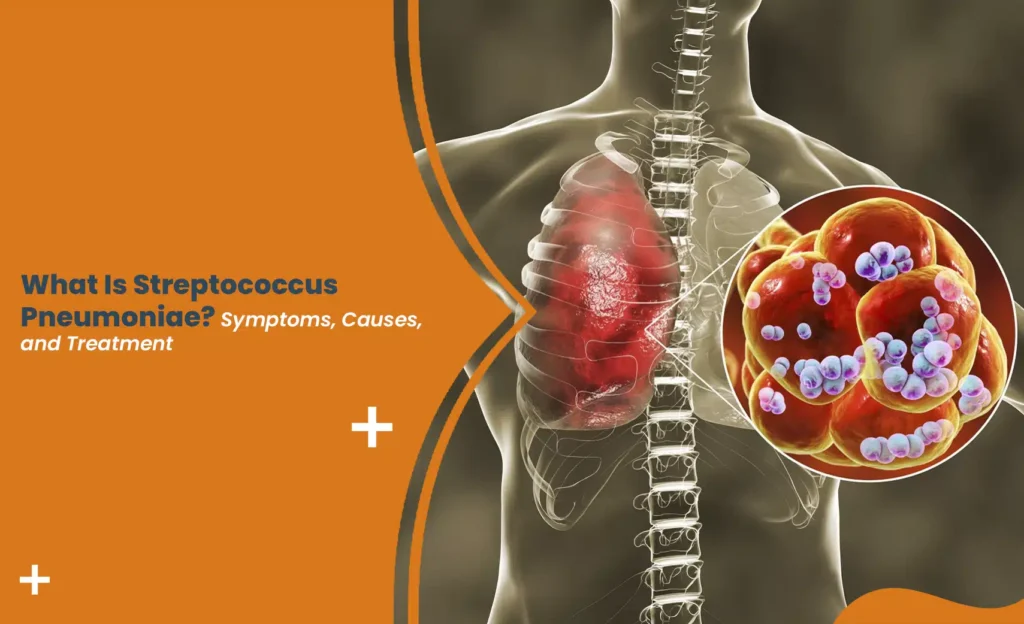
Streptococcus pneumoniae is a gram-positive, spherical bacteria that is a natural inhabitant of the upper respiratory tract of healthy individuals without causing any harm. Indeed, this bacteria is resident in the normal flora of the upper respiratory tract and is commonly found in children living in day care facilities. There is a problem if the bacterium spreads beyond its normal habitat and enters sterile areas of the body, like the lungs, bloodstream, or the lining around the brain and spinal cord.
What Is Streptococcus Pneumoniae?
Streptococcus pneumoniae (or pneumococcus) is one of the most important bacterial pathogens in human beings globally. It is a major source of respiratory infections and can be as common as an ear infection or as serious as a bloodstream or brain infection.
The article “Streptococcus pneumoniae bacteremia: comparison of incidence, epidemiology, and clinical outcome in a pre- and post-COVID-19 period” states that SPB was observed in 150 patients between January 2018 and June 2022. 91 (60.7%) patients were male, and the median age was 71.5 years (IQR 58-83 years). The incidence of SPB was regular until February 2020 (Figure A), with higher rates during the winter and spring months (Figure B). Thereafter, the annual incidence decreased from 8.5 cases per 100,000 population in 2018 to 3 and 2.5 cases per 100,000 population in 2020 and 2021, respectively. Finally, a trend toward a new increase in incidence was observed since June 2021, when lockdown measures were fully lifted in Italy (Figure A).
Is Streptococcus Pneumoniae Contagious?
One of the questions that often comes up is whether there is a risk of transmission of Streptococcus pneumoniae. The answer is yes: the bacterium can be spread from one person to another by respiratory droplets emitted in coughing, sneezing, or talking by an infected or colonized individual. Increased risk of transmission occurs in close contact with others, including living in the same household, day care, and spending time in a crowded environment.
Please remember that exposure to the bacteria doesn’t always result in an active infection. However, many people who are infected with the bacterium in their nose and throat do not get sick.
Streptococcus Pneumoniae Symptoms
The body part involved in the infection by Streptococcus pneumoniae determines the symptoms the person experiences. Common presentations include:
- Respiratory Infections (Pneumonia)
- High fever and chills
- A cough that is productive, which may have rust-colored or blood-tinged mucus.
- Chest pain that increases when breathing or coughing.
- Shortness of breath
- Lack of energy, exhaustion, overall weakness
- Ear and Sinus Infections
- A sensation of earache and ear pressure
- Oto-otorrhea (or oto-drainage): a discharge of fluid from the ears.
- Pain or pressure in the face
- Nasal congestion
- Streptococcus Pneumoniae Bacteremia
If the bacteria invade the blood, the bacteria’s presence in the bloodstream is termed Streptococcus pneumoniae bacteremia. This is a serious infection marked by:
- High, persistent fever
- Rapid heart rate
- Chills and sweating
- In severe cases, confusion and changes in mental status can occur.
- Low blood pressure, that may be a sign of the progression to sepsis
- Streptococcus Pneumoniae Meningitis
The most serious complication is meningitis caused by Streptococcus pneumoniae, the bacterium that infects the membranes that surround the brain and spinal cord. Symptoms can suddenly start and can include:
- Severe headache
- Stiff neck
- High fever
- Sensitivity to light
- Nausea and vomiting
- Trouble staying alert
- In the more severe cases, there are seizures.
Infection with this bacterium is a medical emergency and must be treated right away in a hospital, as it can develop quickly and, without timely treatment, could result in permanent neurological damage or death.
Causes and Risk Factors
Streptococcus pneumoniae infection usually develops when nasal or pharyngeal (throat) bacteria get a chance to colonize the normally sterile areas of the body due to a defective immune system. There are several reasons why infections can occur:
- Age <2 or >65 years.
- Long-term diseases like diabetes, heart disease, or lung disease
- Immunosuppression associated with disease or drugs
- Viral respiratory infections such as influenza in recent days can cause damage to the lining of the airways, making it easier for bacteria to enter.
- Second-hand smoke or smoking
- Overcrowding, day care centers, long-term care centers
- Lack of vaccination against pneumococcal disease
Streptococcus Pneumoniae Treatment
Streptococcus pneumoniae treatment depends on the severity and location of the infection. Ear infections or sinusitis can sometimes be managed with supportive treatment, while pneumonia, bacteremia, and meningitis will usually require immediate antibiotic treatment, frequently in a hospital setting for serious cases. Treatment includes any of the following:
- To rest and drink fluids well.
- Assessment of fever or pain management
- Breathing difficulties and oxygen therapy.
- Admission to hospital and intravenous fluids if systemic infection is serious
Streptococcus pneumoniae antibiotics
Treatment of streptococcus pneumoniae is largely dependent on selecting the appropriate antibiotic. In many cases of community-acquired respiratory infections (CARIs) due to this bacteria, such as sinusitis, otitis media, and mild to moderate pneumonia, a healthcare provider will choose the antibiotic Amoxyclav 625 mg (amoxicillin and clavulanic acid) as the first-line antibiotic treatment.
Amoxyclav 625 mg is usually recommended by a healthcare provider and is normally taken for the advised period of time, even if the symptoms go away quickly; do not stop antibiotics before the course is finished, as this may lead to incomplete treatment and resistance. The dose of Amoxyclav should be determined by the severity of the infection, age of the patient, kidney function, and any known drug allergy, which is why it should only be used as recommended by a healthcare provider.
In more severe infections like bacteremia and meningitis, treatment typically requires more potent IV antibiotics in a hospital setting; this is because oral medications like Amoxyclav are not enough for these life-threatening scenarios.
Penicillin Resistant Streptococcus Pneumoniae
A new problem in medicine is penicillin resistant pneumococcal infections. Some strains of this bacteria have become less susceptible to penicillin-class antibiotics because the proteins in the bacteria’s cell wall that the antibiotics target have changed. This resistance can make the use of conventional antibiotics less effective and can force a healthcare provider to choose other antibiotics or adjust doses in accordance with the resistance of the area and the lab results.
For this reason, you need an accurate diagnosis such as a sensitivity test and bacterial culture to identify the appropriate cause. These tests play a crucial role in making the right decision in treatment, especially for more severe or recurrent infections.
Key Prevention Strategies
- Should take the pneumococcal vaccination. It can be taken by any age group.
- Cover coughs and sneeze to maintain good respiratory hygiene
- Wash your hand regularly.
- Avoid second-hand smoke exposure
- Avoid smoking
- Start treatment of viral respiratory infections. This helps to reduce the risk of secondary bacterial infection.
To Wrap It All Up
Streptococcus pneumoniae is still one of the top bacterial infections among any age group of people. The cause can be anything from ear infections to life-threatening cerebrospinal fever, spinal meningitis, and brain fever. You should recognize its symptoms early and start treatment before spreading infection. You may take antibiotics like Amoxyclav 625 mg. However, it has some side effects such as nausea, vomiting, and diarrhea. These side effects do not occur for all users. It depends on the individual health condition. It is recommended to take advice from your healthcare provider before taking this medicine.
FAQs
1. Is streptococcus pneumoniae Infectious?
Yes. This spreads through coughing, sneezing, or close contact. It affects your respiratory system. Everyone is not infected, but they carry bacteria and transmit them through coughs and sneezes.
2. What are streptococcus pneumoniae’s symptoms?
Fever, cough, fatigue, and malaise are the symptoms. Serious symptoms are chest pain, ear pain, and headache.
3. What is Amoxyclav 625 mg?
Amoxyclav 625 mg is mainly recommended to treat respiratory infections. It helps treat bacterial infections of the lungs (pneumonia), the ear (otitis media), the sinuses (sinusitis), the urinary tract (UTIs), and the skin (cellulitis).
4. Can streptococcus pneumoniae cause meningitis?
Yes. Bacterial meningitis is caused by streptococcus pneumoniae. This infection happens to any age group of people. People who are suffering need to start treatment immediately.
5. Why is penicillin-resistant streptococcus pneumoniae a concern?
Standard antibiotics cannot be effective well on this type of infection. It needs the right diet, accurate diagnosis, and alternative antibiotic therapy to be cured.